
Small Cooler Bags for Branding: The Complete Australian Buyer's Guide
Discover how a small cooler bag can become a powerful branded merchandise item for Australian businesses, events, and organisations.

Written by
Fraser Holt
Bags & Totes
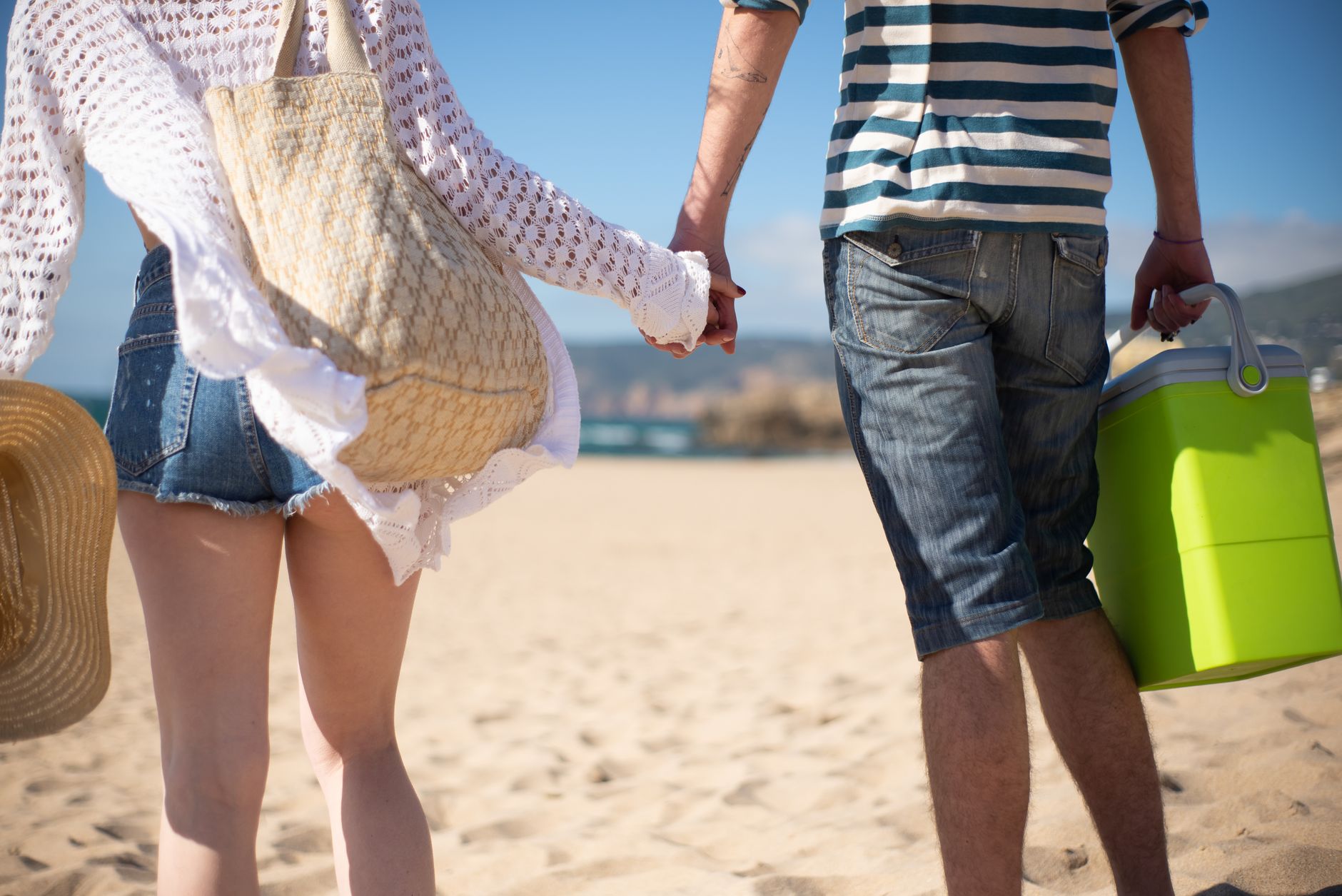
When it comes to branded merchandise that people actually use, few products punch above their weight quite like a small cooler bag. Practical, portable, and visible in everyday settings — from office lunch breaks to weekend sports games — a compact cooler bag puts your brand in front of real audiences, day after day. Whether you’re a Sydney marketing manager planning a corporate gift campaign, a Brisbane sporting club looking for member merchandise, or a Gold Coast event planner sourcing conference giveaways, the small cooler bag deserves serious consideration in your promotional toolkit. This guide breaks down everything you need to know before placing your order.
Why a Small Cooler Bag Makes Sense for Branded Merchandise
Promotional products work best when they solve a genuine everyday problem. A small cooler bag does exactly that. It keeps lunches cold, drinks chilled, and perishables fresh — and it does so in a compact, carry-anywhere format that suits a wide variety of recipients.
Unlike larger cooler bags or rigid eskies, the small format fits neatly in a handbag, gym bag, or desk drawer. That accessibility is critical for branded merch. The more often someone reaches for a product, the more impressions your logo earns. A well-made branded cooler bag used five days a week delivers hundreds of logo exposures per year from a single item.
From a branding perspective, small cooler bags offer a generous flat surface area on the main panel — ideal for a full-colour logo, tagline, or design. They’re also lightweight enough to include in gift packs, welcome kits, or as part of a branded merchandise bundle alongside items like reusable drink bottles or promotional pens.
Comparing Small Cooler Bags to Other Bag Formats
It helps to understand where a small cooler bag sits in the broader bag category. If you need something for everyday shopping, a tote bag or reusable shopping bag might be the better fit. For teams or student audiences, a personalised backpack offers more carry capacity. For specialised personal care items, a personalised makeup bag fills a different niche entirely.
The small cooler bag occupies a sweet spot: it’s functional enough for regular use, compact enough to feel personal, and visual enough to carry a strong brand message.
What to Look for When Ordering a Branded Small Cooler Bag
Not all small cooler bags are created equal. Before you commit to an order, there are several key product and specification factors worth reviewing carefully.
Material and Insulation Quality
The most common materials for promotional cooler bags include 600D polyester, nylon, and PEVA-lined interiors. PEVA (polyethylene vinyl acetate) is a popular choice for the inner lining because it’s easy to wipe clean, odour-resistant, and reasonably effective at maintaining temperature.
Better-quality options may feature foil or foam insulation layers that provide longer temperature retention — important if your audience will be using the bag for outdoor events, sporting occasions, or long commutes. If you’re sourcing bags for a healthcare organisation or food-related business, insulation quality may be a compliance consideration as well.
Size and Capacity
“Small” covers a range of volumes in the cooler bag category. Typical small cooler bags hold between 4 and 12 litres — enough for a day’s worth of lunch and a couple of drinks. Think carefully about what your recipients will actually be using the bag for. A 6-litre bag works beautifully as a corporate desk accessory; a 10–12 litre bag suits a parent running kids to Saturday sport.
For context, a standard 600mL drink bottle takes up roughly 1 litre of space, and a full lunch container adds another 1–2 litres. Plan the size around realistic use cases, not theoretical maximums.
Closure and Carry Options
Most small cooler bags use a zip closure across the top. Look for smooth-running zippers with a branded pull tab if possible — it’s a small detail that adds perceived quality. Carry handles should be reinforced and comfortable for longer periods.
Some designs also include an exterior zip pocket, which adds handy storage for keys, cards, or a phone. This extra functionality increases the bag’s daily utility, which translates directly into more brand impressions.
Colour Matching and Branding Space
PMS colour matching may not always be available for bag bodies due to material constraints, but many suppliers offer a range of stock colours that work well with major brand palettes. If colour accuracy is critical — say, for a government department or a national brand rollout — discuss this with your supplier early in the process.
The main branding panel on a small cooler bag typically measures between 100mm and 200mm wide, depending on the bag’s dimensions. This is ample space for a clean, well-executed logo or design.
Decoration Methods for Small Cooler Bags
How your logo is applied to a small cooler bag matters enormously for the final result. The most common decoration methods include:
Screen printing — Best for bold, simple designs with one to three colours. Excellent durability and a clean finish. Well-suited to the flat panels of a small cooler bag.
Heat transfer — Allows for more complex, multi-colour artwork including gradients and photographic elements. Slightly less durable than screen print over heavy daily use, but a great choice for detailed designs.
Embroidery — Possible on some bag panels, but not ideal for soft or heavily textured surfaces. Better reserved for bags with a structured exterior. Embroidery adds a premium feel but comes with higher per-unit costs.
Sublimation — Available on bags with a polyester surface. Full-colour, edge-to-edge print options are possible with sublimation, making it ideal for vibrant or intricate brand designs.
For most organisations ordering a branded small cooler bag, screen printing or heat transfer will deliver the best balance of quality and cost-effectiveness.
Minimum Order Quantities, Pricing, and Turnaround Times
What to Budget
Branded small cooler bags typically fall in the $8–$25 per unit range at standard promotional quantities, depending on material quality, insulation grade, and decoration complexity. Higher-end insulated options with premium materials and full-colour printing sit toward the upper end of that range.
Bulk pricing tiers generally kick in at 50, 100, 250, and 500 units. If you’re ordering for a large conference or a national staff campaign, the per-unit cost drops meaningfully at higher volumes. Setup fees for screen printing typically add a one-off cost of $30–$80 per colour, so factor that into your total budget — especially for smaller runs.
Minimum Order Quantities
Most promotional cooler bags have an MOQ of 25–50 units. Some suppliers offer lower MOQs of 10–20 units, but expect a higher per-unit price to compensate. If you’re ordering for a smaller organisation — a Hobart community group or a Darwin small business — it’s worth asking about lower-MOQ options early rather than assuming the standard production run will be feasible.
Turnaround Expectations
Standard production time for branded cooler bags runs approximately 10–15 business days after artwork approval. Rush production — typically 5–7 business days — may be available at an additional cost. Always build buffer time into your ordering schedule, particularly if you’re targeting a specific event date.
For reference, suppliers in Adelaide, Perth, and other capital cities can usually facilitate domestic freight within 3–5 business days once production is complete.
Smart Ways to Use Branded Small Cooler Bags
The versatility of a small cooler bag makes it relevant across a wide range of sectors and occasions. Here are some practical use cases to consider.
Corporate gifting — Pair a branded cooler bag with double-wall coffee cups and a leather notebook for a premium welcome kit or end-of-year gift. The combination feels thoughtful and genuinely useful.
Sporting clubs and associations — A compact cooler bag works perfectly as a membership merchandise item or player pack inclusion. Pair it with branded apparel like rugby t-shirts for women and personalised trucker caps for a cohesive team merchandise bundle.
Trade shows and conferences — A branded small cooler bag stands out from the standard tote bag giveaway. Exhibitors at Melbourne or Sydney expos who invest in a more functional item tend to see better brand recall from attendees.
Real estate agencies — Settlement gifts that include a practical branded cooler bag create a lasting positive impression. Consider bundling with spiral-bound notebooks or promotional umbrellas for a memorable hamper-style gift.
Schools and TAFEs — Cooler bags make great additions to student welcome packs, particularly at university orientation events. They pair well with personalised A5 notebooks and pouch bags for a complete back-to-school or orientation kit.
Golf events and corporate days — If you’re running a corporate golf day, a branded cooler bag fits perfectly alongside branded golf balls as part of the event gift pack. Organisations in regional areas — like those sourcing promotional products in Horsham — often find cooler bags ideal for practical event merchandise.
For organisations that deal in workwear or on-site industries, cooler bags are also a popular staff welfare item, complementing functional gear like high-vis polo shirts in field worker merchandise packs.
Key Takeaways
Choosing the right small cooler bag for your branded merchandise programme doesn’t need to be complicated. Keep these points in mind as you move forward:
- Functionality drives value — A small cooler bag is used repeatedly in everyday settings, delivering strong ongoing brand exposure from a single investment.
- Insulation quality matters — Specify PEVA lining and foil/foam insulation if your audience will genuinely need temperature retention for extended periods.
- Match decoration to design — Screen printing suits clean logos; heat transfer handles complex artwork; embroidery adds premium feel where the bag structure supports it.
- Plan your budget fully — Include setup fees, per-unit costs, and freight in your total project budget from the outset to avoid surprises.
- Bundle for maximum impact — A cooler bag small enough to carry daily becomes even more memorable when it arrives as part of a thoughtfully assembled merchandise kit.
A well-chosen, well-branded small cooler bag isn’t just a giveaway item — it’s a daily brand touchpoint that earns its keep long after the event or campaign has wrapped. Take the time to specify it properly, and it will deliver genuine value for your organisation.