
Custom Gym Towels: The Ultimate Guide for Australian Businesses and Organisations
Discover how to order custom gym towels for your brand, gym, or event. Tips on materials, decoration methods, MOQs, and budgeting for Australia.

Written by
Nate Robinson
Tech & Electronics
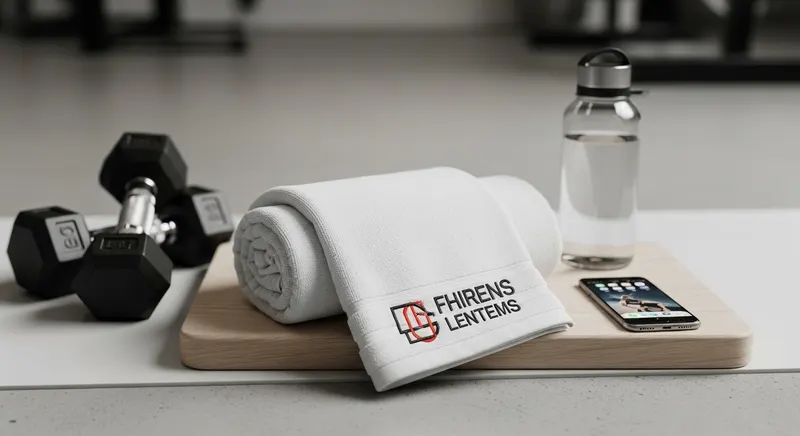
Whether you’re running a fitness centre in Brisbane, organising a corporate wellness event in Melbourne, or sourcing branded merchandise for a sporting association in Perth, a custom gym towel is one of the most practical and high-visibility promotional products you can invest in. Unlike a branded pen that gets lost in a drawer or a tote bag that hangs on a hook, a gym towel goes everywhere — the gym floor, the pool deck, the yoga studio, and the weekend footy field. It gets used repeatedly, which means your logo gets seen repeatedly. If you’re serious about building brand visibility through functional merchandise, this guide will walk you through everything you need to know about ordering custom gym towels in Australia.
Why Custom Gym Towels Make Excellent Branded Merchandise
There’s a reason fitness brands, health funds, gyms, and sporting clubs consistently rank towels among their top promotional product choices. The utility factor is simply undeniable. A well-made gym towel with a bold logo print is something recipients genuinely keep and use — sometimes for years.
High Perceived Value Without a High Price Tag
Compared to many other branded merchandise categories, gym towels offer a strong value-to-cost ratio. A quality microfibre gym towel in a bulk order can cost as little as $8–$15 per unit, yet recipients perceive them as a premium gift. This makes them especially popular for:
- Corporate wellness programs — health and wellbeing initiatives across Sydney CBD offices
- Gym and fitness studio memberships — welcome packs for new members
- Sporting events and fun runs — participant gift bags at events like charity fun runs or community sports days
- Trade shows and expos — standout giveaways that don’t end up in the bin
- School sports programs — secondary schools and universities rewarding athletic achievement
Everyday Use Equals Ongoing Brand Exposure
Consider how often a person visits the gym, pool, or park each week. Every single visit is another opportunity for your logo to be seen — both by the towel owner and everyone around them. This is one of the key reasons towels consistently outperform many disposable or single-use promotional items when it comes to long-term brand recall.
It’s worth pairing gym towels with complementary merchandise for maximum impact. For example, adding branded water bottles to a corporate wellness pack alongside a custom gym towel creates a cohesive, practical gift set that reinforces your brand message every time someone heads to a workout.
Choosing the Right Material for Your Custom Gym Towel
Material choice is arguably the most important decision you’ll make when ordering custom gym towels. Get this wrong, and even the most beautiful print won’t save a towel that feels cheap or doesn’t absorb moisture properly.
Microfibre
Microfibre is by far the most popular material for gym towels, and for good reason. It’s lightweight, dries quickly, absorbs moisture efficiently, and is generally more affordable to produce in bulk. Microfibre towels are ideal for:
- Gym-goers who prefer a compact, packable option
- High-volume orders where cost management matters
- Corporate events and conferences where portability is valued
The main consideration with microfibre is that embroidery can be tricky — the fibres can pull around needle-punched stitching. Screen printing and sublimation tend to work better on microfibre surfaces.
Cotton Terry
Traditional cotton terry towels offer a premium, plush feel that many recipients associate with quality. They’re heavier and more absorbent, making them a great choice for:
- Luxury gym welcome packs
- High-end corporate gifts
- Spa and wellness facilities in cities like the Gold Coast or Adelaide
Cotton terry is well-suited to embroidery, which gives logos a tactile, three-dimensional appearance that many premium brands prefer. Keep in mind that cotton towels are bulkier to ship, which can affect freight costs for larger orders.
Bamboo Blends
For organisations prioritising sustainability, bamboo-blend towels are an increasingly popular option. They’re naturally antibacterial, soft against the skin, and appeal to eco-conscious recipients. If your brand values align with environmental responsibility — as many councils, not-for-profits, and health organisations in Australia do — a bamboo gym towel sends a clear message about your values.
Decoration Methods: How Your Logo Gets Onto the Towel
The decoration method you choose will significantly affect the final look, feel, and cost of your custom gym towel. Here’s a practical breakdown of the most common options.
Embroidery
Embroidery involves stitching your logo directly into the towel fabric. It’s durable, premium-looking, and highly tactile. Embroidery works best on cotton terry and thicker blended fabrics. It’s less suited to microfibre because the needle can distort the fabric. Setup costs (digitising fees) are typically a one-off charge of $50–$100, but the per-unit cost is competitive in larger runs.
Sublimation Printing
Sublimation is a popular choice for microfibre gym towels because the dye is infused directly into the fabric fibres rather than sitting on top. The result is a vibrant, full-colour print that won’t crack, peel, or fade with washing. Sublimation is excellent for photographic imagery, complex logos, or all-over printing. If you want edge-to-edge branding or bold, vivid colours, sublimation is your go-to method.
It’s worth noting that sublimation works exclusively on light-coloured (ideally white) polyester or polyester-blend fabrics. If you’re planning an all-over design, be sure to consider how your logo holds up when printed on a non-flat surface — our guide on wraparound printing options for cylindrical merchandise covers similar principles for products like drink bottles, which can inform your design thinking.
Screen Printing
Screen printing is a cost-effective option for simple, solid-colour logos on flat or semi-flat sections of a towel. It’s generally used for border prints or a logo placed in one corner. It’s not ideal for complex multi-colour artwork, but it delivers clean, sharp results for straightforward branding. Screen printing is often the most budget-friendly decoration method for high-volume orders.
Heat Transfer
Heat transfer is useful for smaller orders or highly detailed logos that aren’t suited to screen printing. It involves pressing a pre-printed design onto the towel using heat and pressure. While it’s versatile, heat transfer prints can be less durable than sublimation or embroidery over time, particularly with repeated washing at high temperatures.
For a deeper look at how different printing methods hold up over time — especially for products used outdoors or in high-UV environments — the post on UV resistance of different printing methods for outdoor products is well worth a read.
Practical Ordering Guide: MOQs, Lead Times, and Budgets
Minimum Order Quantities
Custom gym towels typically have MOQs starting at around 25–50 units for embroidery and screen printing, and 50–100 units for full sublimation. All-over sublimation orders may require higher minimums due to printing setup. If you’re a small business or sporting club in Hobart or Darwin ordering a smaller run, it’s worth asking about sample orders first to confirm quality before committing to a large quantity.
Turnaround Times
Standard production turnaround in Australia is typically 10–15 business days after artwork approval, with shipping time on top. If you’re ordering for a specific event — say, a Melbourne corporate health expo or a Sydney fun run — build in at least three to four weeks from order placement to delivery. Rush orders are sometimes available but may attract additional fees.
Budget Considerations
As a rough guide for 2026 pricing:
- Microfibre gym towels (sublimation or screen printed): $8–$18 per unit at 100+ units
- Cotton terry towels (embroidered): $15–$35 per unit depending on size and embroidery complexity
- Bamboo blend towels: $20–$45 per unit, depending on size and decoration
Always factor in setup/digitising fees, freight, and GST when comparing quotes. Bulk pricing tiers typically kick in at 50, 100, 250, and 500 units, so ordering slightly more than you initially planned can sometimes reduce your per-unit cost significantly.
Matching Gym Towels With Complementary Branded Products
A custom gym towel rarely needs to stand alone. Bundling it with complementary items creates a more memorable brand experience. Some popular pairing ideas include:
- Branded water bottles — a natural fit for any fitness or wellness context; see our tips on promotional water bottles for what to look for
- Zip-up hoodies — great for sporting clubs and fitness brands wanting a complete kit; our zip-up hoodies guide covers decoration options and sizing
- Custom polo shirts — ideal for gym staff or corporate wellness teams; check out work polo shirts for men for a practical overview
- Event wristbands — useful for gym open days or fitness events to manage access; our post on wristbands for events explains the options
- Tote bags — a handy carrier for the full merch bundle; see our rundown of top-rated branded tote bags in Australia
If you’re putting together a full event or welcome pack, the tote bag merchandise guide and our post on customised tote bags can help you think through the bag component of your bundle.
Artwork Tips for Getting the Best Result
Getting your artwork right before you submit your order will save time, money, and potential disappointment. Here are a few practical tips:
- Supply vector files (AI, EPS, or PDF) wherever possible — these scale without loss of quality
- Use PMS colour codes to ensure colour accuracy, especially if your brand colours are specific
- Keep embroidery designs simple — fine detail and small text can become muddled in stitching; a minimum text height of 4–5mm is recommended
- For sublimation, supply high-resolution artwork at 150–300dpi in the actual print dimensions
- Always review a digital proof before approving production — catching errors at this stage is far less costly than a reprint
Conclusion: Key Takeaways for Ordering Your Custom Gym Towel
A custom gym towel is a smart, long-lasting branded merchandise investment for Australian businesses, fitness organisations, sporting clubs, and event planners. Used daily and built to last, a well-branded towel delivers sustained visibility in a way few other promotional products can match.
Here are the key points to take with you:
- Choose your material based on your use case — microfibre for practicality and budget, cotton terry for premium feel, bamboo blends for eco-conscious audiences
- Match your decoration method to your fabric — sublimation for microfibre, embroidery for cotton terry, and screen printing for simple logos in bulk runs
- Plan lead times carefully — allow three to four weeks minimum for most orders, especially ahead of events
- Bundle towels with complementary products for a cohesive, high-impact branded pack
- Invest in proper artwork preparation — vector files, PMS colours, and a proof review will ensure your logo looks sharp and professional on the finished product
If you’re ready to explore your options for a gym towel or want to build out a broader branded wellness kit, take the time to compare materials, decoration methods, and pricing tiers before you commit. The right preparation now will make your custom gym towel a merchandise highlight that gets used — and appreciated — for years to come.