
The Complete Guide to Embroidered Merchandise for Australian Businesses and Organisations
Discover everything you need to know about embroidered branded merchandise — from product selection to decoration tips for Australian businesses.

Written by
Rani Gupta
Branding & Customisation
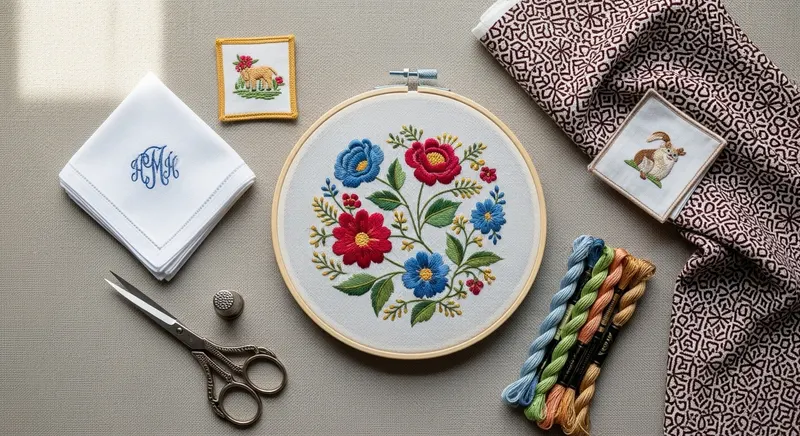
When it comes to branded merchandise that genuinely looks the part, embroidered products sit in a class of their own. There’s something about the texture, the depth, and the craftsmanship of embroidery that immediately signals quality — and Australian businesses, sporting clubs, schools, and organisations have been leaning into this decoration method for decades. Whether you’re outfitting a corporate team in Sydney, ordering custom caps for a Gold Coast sporting association, or sourcing staff uniforms for a Melbourne hospitality group, understanding how embroidery works — and when to use it — can make a significant difference to your final result. This guide covers everything you need to know to get the best outcome from your next embroidered merchandise order.
What Makes Embroidery Different From Other Decoration Methods?
Embroidery involves stitching your logo or design directly into the fabric using coloured thread. Unlike screen printing or heat transfer, which sit on the surface of a garment, embroidery is physically woven into the textile itself. This gives embroidered products their characteristic dimensional appearance and remarkable durability.
The process begins with digitisation — converting your artwork or logo into a stitch file that an embroidery machine can read. This file determines the stitch type, direction, density, and colour sequencing. It’s a skilled process, and the quality of digitisation has a direct impact on how sharp and accurate your finished logo looks.
There are several stitch types commonly used in commercial embroidery:
- Satin stitch — smooth, glossy stitches ideal for text and sharp edges
- Fill stitch — used for larger areas of solid colour within a design
- Running stitch — fine single-line stitches used for outlines and fine details
- 3D puff embroidery — a raised foam is placed under the stitching to create a three-dimensional effect, popular on caps and headwear
The difference between embroidery and other methods becomes especially clear after multiple washes. Printed designs can fade, crack, or peel over time, particularly on items that see regular use. Embroidered logos, by contrast, remain vibrant and intact wash after wash — a key reason why corporate workwear, hospitality uniforms, and school sports gear are so frequently embroidered.
If you’re weighing up your decoration options across different products, it’s worth reading about the UV resistance of different printing methods for outdoor products to understand how environmental factors can affect each technique.
What Products Are Best Suited to Embroidered Decoration?
Not every product is well-suited to embroidery. The technique works best on structured fabrics that can support the weight and tension of stitching. Here’s a breakdown of the most popular embroidered merchandise categories in Australia.
Polos and Work Shirts
Polo shirts are arguably the most popular garment for embroidered branding in the Australian corporate and trade sectors. The structured piqué fabric holds stitching exceptionally well, and a left-chest logo placement looks clean and professional. If your organisation is sourcing team uniforms or client-facing staff apparel, embroidered work polo shirts for men deliver a polished, long-lasting result that printed alternatives simply can’t match.
Caps and Headwear
Caps — whether structured snapbacks, trucker-style, or fitted styles — are a natural fit for embroidery. The stiffened front panel provides a stable base for stitching, and 3D puff embroidery on caps is particularly eye-catching. If you’re ordering headwear for a country show, agricultural event, or outdoor team, check out our thoughts on trucker hats for country-style events to see how embroidery elevates this casual style.
Hoodies and Zip-Up Fleeces
A well-placed embroidered logo on the chest or sleeve of a hoodie communicates brand quality without feeling overly corporate. This makes embroidered zip-up hoodies a favourite for university clubs, corporate casual wear, and staff gifts during the cooler months. Perth and Adelaide organisations running winter campaigns particularly love the combination of a premium garment and durable decoration.
Bags and Totes
Thicker woven fabrics, canvas bags, and structured backpacks all take embroidery beautifully. It’s an excellent way to elevate what might otherwise be a commodity product. For organisations sourcing event giveaways, consider embroidered branding on customised tote bags or branded tote bag merchandise — the tactile quality of embroidery makes these feel like a considered gift rather than a throwaway item.
Towels and Gym Accessories
Terry cloth and microfibre towels are popular choices for embroidered logos in the fitness and hospitality sectors. A Brisbane gym outfitting its members or a Canberra hotel sourcing branded bathroom accessories will find embroidery gives towels a resort-quality feel. Our guide to branded gym towels covers product specs and decoration placement options worth considering.
Understanding the Embroidery Process: From Artwork to Finished Product
Artwork and Digitisation
Submitting the right artwork is the first critical step. Vector files (AI, EPS, or high-resolution PDF) are preferred, though experienced decorators can work from clear PNG or JPG logos. Your supplier will digitise the artwork into a stitch file — a one-off setup cost that typically ranges from $20 to $80 depending on complexity. Once digitised, this file is yours to retain for future orders, so it’s a worthwhile investment.
Keep in mind that very fine details — thin lines, small text under 5mm, or intricate gradients — don’t always translate well into embroidery. A good decorating partner will flag any issues during the digitisation stage and may suggest simplifying certain elements.
For organisations in New South Wales looking for local expertise, our dedicated guide to Sydney embroidery services is a great starting point for understanding what to expect from a professional embroidery supplier.
Minimum Order Quantities and Pricing
Embroidery pricing is typically calculated per stitch count rather than per colour — the more stitches in your design, the higher the per-unit cost. A simple left-chest logo might run 3,000 to 5,000 stitches, while a large back design could exceed 15,000 stitches.
Minimum order quantities (MOQs) vary by supplier, but many Australian decorators will accept orders from as few as 6 to 12 pieces, making embroidery accessible for small teams and boutique organisations. Bulk pricing tiers generally kick in at quantities of 24, 48, and 100+ units, so if your organisation anticipates ongoing needs, it’s worth forecasting volume and ordering accordingly.
Turnaround Times
Standard turnaround for embroidered garments in Australia is typically 7 to 14 business days after artwork approval. Rush orders are often available for an additional fee, with some suppliers offering 3 to 5 business day turnaround. Always confirm lead times with your supplier before committing, particularly if you have a hard event deadline.
Choosing the Right Embroidery Placement
Placement decisions have a significant impact on the look and function of embroidered merchandise. Common placement options include:
- Left chest — the classic corporate placement, typically 80–100mm wide
- Centre chest — works well for bold logos and club crests
- Right chest — often used for name personalisation
- Sleeve — great for secondary branding or sponsor logos
- Back yoke — popular for outdoor and workwear applications
- Cap front panel — the standard position for headwear
For items like bags, duffle bags, and backpacks, placement near the top handle or front pocket tends to maximise visibility. If you’re ordering branded bags for travel or events, our piece on the Typo duffle bag and branded options includes useful context on decoration placement for larger bag formats.
When Embroidery Is — and Isn’t — the Right Choice
Embroidery is genuinely excellent, but it’s not always the right tool for every job. Understanding its limitations helps you make smarter merchandise decisions.
Embroidery works best when:
- The design has bold, clean lines and a limited colour palette
- The item is a high-use garment or wearable accessory
- Longevity and wash durability are priorities
- The goal is to project a professional or premium brand image
Consider alternative decoration when:
- Your design involves photographic images, fine gradients, or hundreds of colours
- You’re decorating soft, stretchy fabrics like athletic performance wear (sublimation is often more suitable)
- Budget is very tight and per-unit costs need to be minimised at high volumes
- You’re ordering cylindrical or flat promotional items (pad printing or screen printing may be preferable — see our guide to wraparound printing options for cylindrical merchandise)
For events where a wider range of products is being ordered — from wristbands to apparel to drinkware — a mixed decoration approach is common. Our guide to event wristbands and promotional water bottles can help you understand how those products are best decorated alongside embroidered apparel.
Embroidery for Specific Sectors
Corporate and Professional Services
For accounting firms, real estate agencies, and financial services businesses, embroidered polo shirts and jackets convey credibility. If you’re in the professional services space and looking at branded gifts beyond apparel, our guide to tax time branded calculator gifts for accounting clients pairs well with a branded apparel strategy.
Sporting Clubs and Associations
Clubs across Australia — from AFL and netball associations in Adelaide to surf clubs on the Gold Coast — rely on embroidered merchandise for training gear, presentation uniforms, and supporter merchandise. The durability of embroidery stands up to the demands of active use, and the premium appearance elevates club identity.
Events and Conferences
While promotional products for large-scale events often lean toward lower-cost printed options, embroidered staff shirts and volunteer uniforms are a consistent choice for event organisers wanting their crew to look sharp. Combine embroidered apparel with complementary promotional items like promotional umbrellas or wholesale umbrellas for a complete event merchandise suite.
Conclusion: Key Takeaways for Ordering Embroidered Merchandise
Embroidered products offer a level of quality and durability that makes them a smart long-term investment for Australian organisations across virtually every sector. Whether you’re ordering staff uniforms, club merchandise, or premium client gifts, getting the details right — from artwork preparation through to placement and product selection — ensures your branded merchandise reflects the standard of your organisation.
Here are the key points to remember:
- Embroidery is the gold standard for garment decoration — it’s durable, professional-looking, and holds up wash after wash, making it ideal for workwear, uniforms, and corporate apparel
- Digitisation quality matters — invest in clean artwork and work with a supplier who digitises carefully, as this directly affects the sharpness and accuracy of your finished logo
- Not every product or design suits embroidery — bold, simple designs on structured fabrics perform best; highly detailed or colourful designs may be better served by alternative methods
- Plan ahead on turnaround times — standard lead times of 7 to 14 business days are typical, so factor this into your event or campaign schedule
- Think about placement strategically — left chest and cap front panel are the most proven placements, but sleeve, back, and bag positioning can add visual interest and reinforce brand identity