
Hat for Hard Hat: The Best Liners, Beanies and Bump Caps for Worksite Safety
Discover the best hats to wear under a hard hat for Australian worksites — from moisture-wicking liners to branded bump caps and beanies.

Written by
Declan Murphy
Safety & Workwear
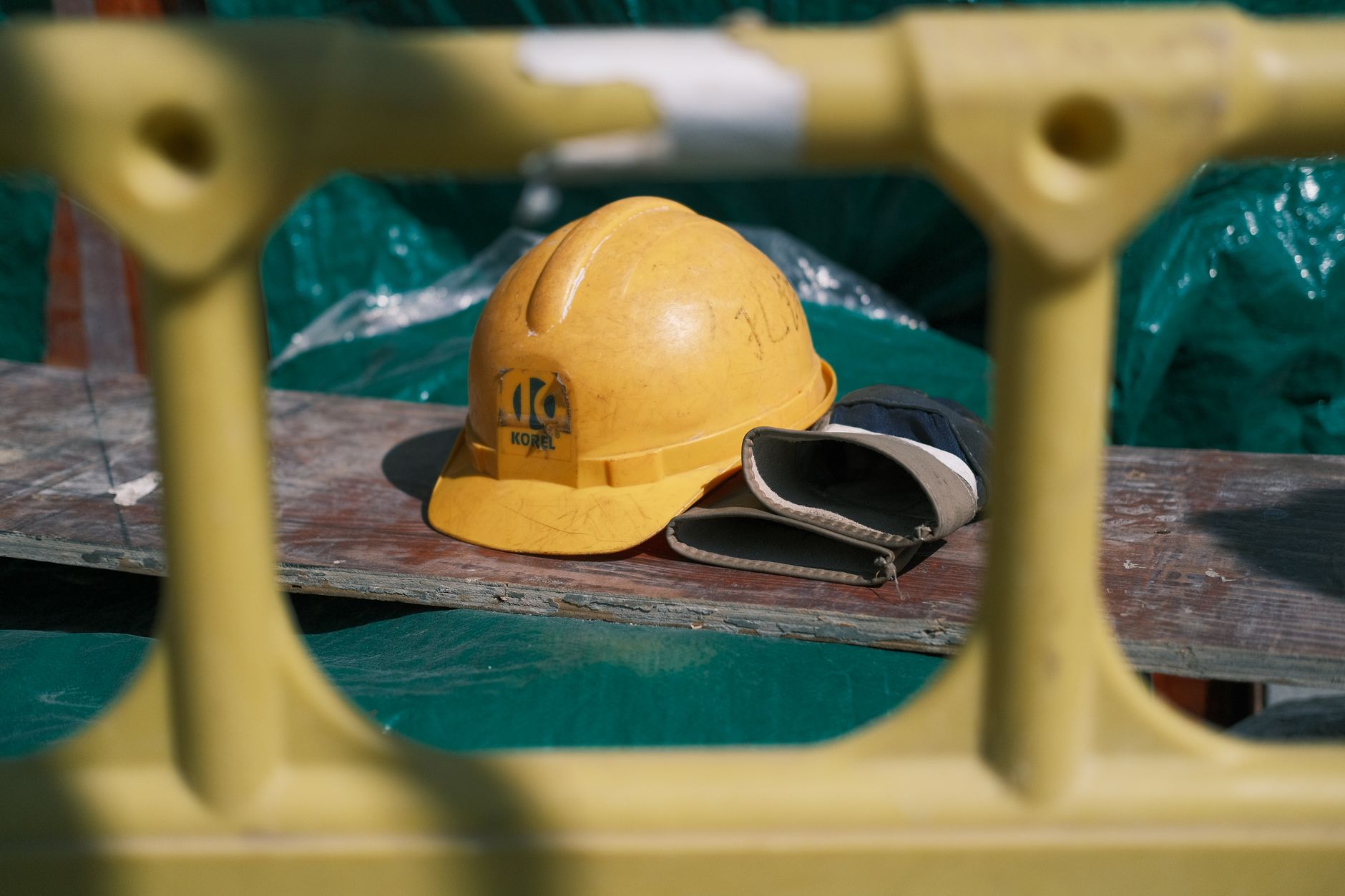
Anyone who’s spent a long shift on a construction site, mining operation, or outdoor worksite in Australia knows the challenge all too well — staying comfortable under a hard hat is genuinely difficult. Whether it’s the scorching summer heat in Perth, a biting winter morning in Canberra, or the relentless humidity of a Brisbane build, the conditions can make wearing a hard hat downright miserable. That’s where choosing the right hat for hard hat wear becomes essential. It’s not just about comfort; it’s about safety, hygiene, worker wellbeing, and — for organisations issuing branded workwear — a genuine opportunity to reinforce your brand identity right down to the layer beneath the helmet.
Why the Right Hat for Hard Hat Use Matters on Australian Worksites
Hard hats are a non-negotiable piece of personal protective equipment (PPE) on Australian worksites governed by Safe Work Australia standards. But the hard hat itself sits on the head — and what goes between the hat and the worker’s skull makes a significant difference to their daily experience.
The right liner or under-helmet hat can:
- Reduce sweat and moisture build-up, which is critical in hot climates like Darwin or far north Queensland
- Provide insulation during cold snaps in alpine regions or southern states like Victoria and Tasmania
- Improve hygiene by forming a washable barrier between the hard hat’s suspension system and the scalp
- Reduce pressure and friction from the hard hat’s internal cradle
- Act as a branded touchpoint when organisations supply workers with logoed liners or beanies
Many organisations overlook this layer entirely — and that’s a missed opportunity both for worker comfort and for brand visibility.
Types of Hats Worn Under Hard Hats
Not every hat is suitable for hard hat use. The key rule is that anything worn under a hard hat must not compromise the hat’s fit, safety rating, or the integrity of the suspension system. That means bulky beanies or peaked caps are generally a no-go on safety-rated hard hats. Here’s a breakdown of the most common and appropriate options:
Hard Hat Liners
Hard hat liners are purpose-built accessories designed to sit inside a hard hat without affecting its safety performance. They come in a few variations:
- Skull cap liners – thin, close-fitting caps that sit flat against the head without adding height or bulk
- Balaclava-style winter liners – cover the neck and ears for cold conditions
- Moisture-wicking liners – often made from polyester mesh or performance fabric that draws sweat away from the scalp
These are the safest option from a compliance standpoint and can be screen printed or embroidered with a company logo for a professional branded look.
Beanies (Designed for Hard Hat Compatibility)
Standard beanies aren’t always suitable — they can lift the hard hat off the suspension system, voiding the safety rating. However, there are specifically designed hard hat beanies that are low-profile and thin enough to maintain proper helmet fit. These are popular on cold-climate sites in southern Australia. If you’re sourcing branded beanies or zip-up hoodies as part of a winter workwear bundle, make sure your supplier confirms hard hat compatibility for any head-level garments.
Bump Caps
Bump caps are a separate category entirely — they’re lightweight protective caps used in low-impact environments such as warehouses, food production facilities, or light manufacturing. They’re not rated to the same standard as hard hats but are ideal in situations where a full hard hat is unnecessary. Bump caps can be heavily branded and are a popular choice for facilities where staff visibility and brand presentation matter.
Cooling Skull Caps
In hot conditions — think outdoor construction in Adelaide in summer or rooftop work in Western Australia — cooling skull caps made from moisture-wicking or evaporative fabric can make a meaningful difference. These lightweight options sit flat under a hard hat without compromising fit.
Decoration Options for Branded Under-Helmet Headwear
If you’re supplying staff with head-wear to use beneath their hard hats, you have a few practical decoration options to consider. The goal is a clean, durable logo that survives repeated washing and sweat exposure.
Embroidery
Embroidery is the gold standard for workwear headwear. It’s durable, professional, and handles industrial washing well. A small embroidered logo on the front of a skull cap liner or bump cap looks sharp and lasts the life of the garment. If you’re already organising Sydney embroidery for your team’s polos or jackets, adding matching liners is a cost-effective way to create a cohesive branded kit.
Heat Transfer and Screen Printing
For thinner, stretch-fabric liners, heat transfer vinyl or screen printing can be suitable — particularly for lower-budget orders or shorter-term programs. Keep in mind that lighter decoration methods may not be as UV-resistant over time, which is worth factoring in when workers are outdoors daily. Our guide on the UV resistance of different printing methods for outdoor products covers this in detail.
Sublimation
For polyester-based liners and performance skull caps, all-over sublimation printing is a popular choice when organisations want a bold, full-coverage brand presentation. Sublimation works beautifully on synthetic fabrics and doesn’t crack or peel — ideal for sweat-prone workwear applications. For a deeper look at printing on curved and cylindrical surfaces, our post on wraparound printing options for cylindrical merchandise has some useful context.
Ordering Tips: MOQs, Sizing, and Timelines
Ordering customised hard hat liners and under-helmet headwear for your team involves a few practical considerations.
Minimum Order Quantities
Minimum order quantities for branded skull caps and hard hat liners typically start from around 50–100 units, though some suppliers will accommodate smaller runs of 24–50 units for embroidered bump caps. If you’re a small crew, look for suppliers who can combine smaller quantities of multiple workwear items — for example, bundling liners with custom work polo shirts for men or hi-vis gear to meet order minimums across the board.
Sizing
Most hard hat liners and skull caps are one-size-fits-most due to their stretch construction. However, balaclava-style winter liners often come in small/medium and large/extra-large sizing, so you’ll need to collect sizing data from your team before placing an order.
Turnaround Times
Standard turnaround for custom-branded hard hat liners is typically two to three weeks from proof approval. If you’re in a rush — say, ahead of a major site opening or safety audit — discuss expedited options with your supplier early. Rushed orders incur additional costs and aren’t always guaranteed, particularly for embroidery-decorated items.
Artwork Requirements
For embroidery, artwork should ideally be supplied as a vector file (AI, EPS, or high-resolution PDF) and should be simplified enough to translate cleanly to stitching at a small scale. Intricate fine-line logos may need simplification. Your supplier will typically provide a digitised stitch preview before production begins.
Building a Complete Branded Workwear Kit
The hat for hard hat application doesn’t sit in isolation — it’s most effective as part of a comprehensive branded workwear strategy. Australian organisations that invest in a full kit — from the inner liner through to the outer layers — create a cohesive professional image that reinforces their brand at every touchpoint.
Consider pairing hard hat liners with:
- Hi-vis shirts and polos – branded with your logo via screen printing or embroidery
- Custom work polo shirts – for on-site supervisors or client-facing staff (see our guide to work polo shirts for men)
- Branded water bottles or keep cups – to support hydration on site (check out promo water bottles for bulk options)
- Promotional umbrellas – for outdoor supervisors or safety officers working in variable weather (explore our guides to promotional umbrellas and wholesale umbrellas)
- Sunscreen products – a genuinely practical branded gift for outdoor workers; our post on branded sunscreen lotion bottles covers this well
- Branded tote bags – for carrying tools, PPE, or site documentation (check out our guide to top-rated branded tote bags in Australia)
This kind of full-kit thinking is particularly popular with large civil construction companies, mining organisations, government infrastructure departments, and councils who want consistent brand presentation across large workforces.
Safety Compliance: What to Always Check
No matter how well-branded your under-helmet headwear looks, it should never compromise safety compliance. When sourcing hats to wear under hard hats, always:
- Check the hard hat manufacturer’s guidelines — some Class 1 and Class 2 hard hats have specific restrictions on what can be worn underneath
- Avoid any hat with a peak or brim under a standard hard hat, as this can affect the suspension system’s ability to absorb impact
- Test the fit with the liner in place before issuing to workers
- Source from reputable suppliers who can confirm the product is appropriate for under-helmet use
Australian work health and safety regulations take PPE compliance seriously, and compromising a hard hat’s safety rating — even inadvertently — is never worth the risk.
Key Takeaways
Choosing the right hat for hard hat wear is a practical, safety-first decision — but it’s also a branding opportunity that many Australian organisations are only just starting to capitalise on. Here’s what to remember:
- Purpose-built skull cap liners and hard hat-compatible beanies are the safest options for under-helmet headwear — always check manufacturer guidelines before selecting a product
- Embroidery is the most durable decoration method for workwear liners, while sublimation suits performance polyester fabrics beautifully
- MOQs typically start from 50 units, so bundling with other workwear items is a smart way to manage costs and minimise excess stock
- A branded workwear kit works best as a complete system — liners, polos, hi-vis gear, and accessories all working together under one consistent brand identity
- Safety compliance is non-negotiable — no branding consideration should ever outweigh the integrity and performance of your PPE
Whether you’re outfitting a Perth mining crew, a Melbourne infrastructure team, or a Brisbane construction site, getting this layer right makes a real difference — for your workers and for your brand.