
Labels for Label Printers: A Complete Guide for Australian Businesses and Organisations
Discover how to choose the right labels for your label printer, with expert tips on types, materials, and branded applications for Australian businesses.

Written by
Lily Park
Stationery & Office
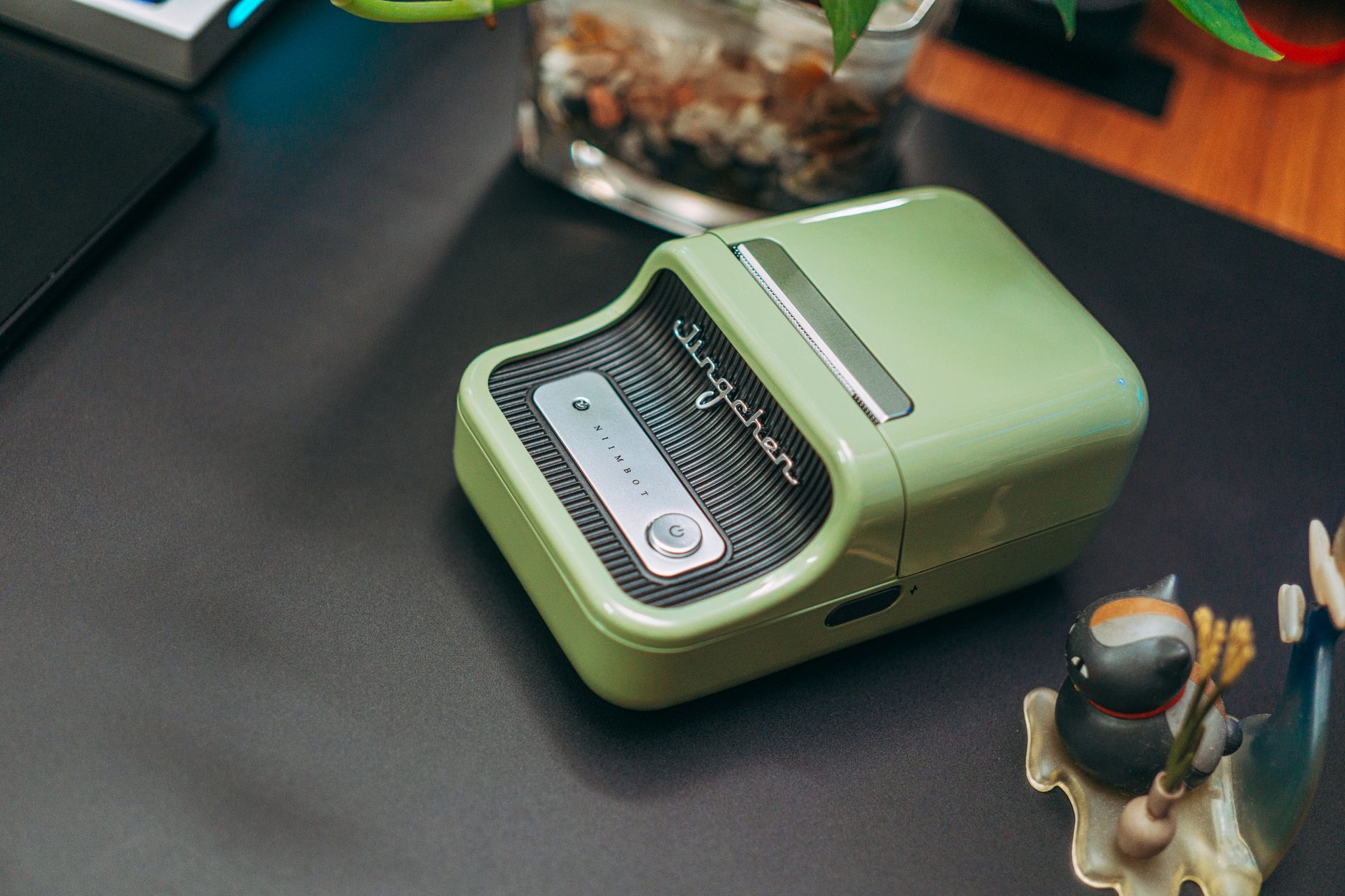
Choosing the right labels for your label printer might seem like a straightforward task, but for Australian businesses, schools, government departments, and event organisers, it’s a decision that quietly underpins everything from professional packaging and office organisation to high-volume branded merchandise campaigns. Get it wrong and you’re dealing with labels that peel, smear, jam your printer, or look completely out of place on your products. Get it right and you’ve got a reliable, cost-effective tool that keeps your operations running smoothly and your brand looking sharp. Whether you’re managing inventory in a Sydney warehouse, preparing conference materials for a Canberra event, or organising product tags for a Melbourne retail launch, this guide covers everything you need to know about labels for label printers in a practical, no-nonsense format.
What Are Labels for Label Printers — And Why Does the Right Choice Matter?
Labels for label printers are purpose-designed adhesive sheets or rolls formatted to work seamlessly with specific printer types, including direct thermal printers, thermal transfer printers, laser printers, and inkjet printers. Unlike standard paper run through an office multifunction device, label printer media is engineered for precision. The sizing, adhesive strength, liner type, and surface coating all need to align with your printer model and your intended application.
For Australian businesses, the stakes are higher than they might initially seem. A poorly chosen label might work fine in a cool Adelaide office but fail completely when applied to a beverage bottle that sweats in Brisbane’s summer humidity. A label that looks great on a cardboard box might disintegrate when used outdoors on signage or equipment in Far North Queensland. Getting the match right between label material, adhesive type, and printer compatibility is fundamental — and it directly affects your brand presentation.
The Main Types of Label Printers in Australian Workplaces
Before selecting labels, it’s important to understand which printer type you’re working with, since the label stock you need differs significantly.
Direct thermal printers are among the most common in Australian offices, warehouses, and retail settings. They use heat to create an image directly on the label surface — no ink or ribbon required. These printers are popular for shipping labels, barcode labels, and name tags because they’re fast and low maintenance. However, direct thermal labels are heat-sensitive, meaning they’re not suitable for outdoor use or environments with sustained warmth.
Thermal transfer printers use a ribbon to apply resin or wax-based ink onto the label. This process produces far more durable labels that resist heat, moisture, chemicals, and UV exposure. If you’re labelling equipment, outdoor products, or anything with a long shelf life, thermal transfer is the better choice — and worth understanding in the context of UV resistance of different printing methods for outdoor products.
Laser and inkjet label printers are more commonly found in office environments where lower-volume, high-detail label printing is needed — think product packaging, branded stationery, or event materials.
Understanding Label Materials: Choosing the Right Stock for Your Application
Not all labels are created equal. The substrate — or base material — you choose will determine how your label performs, how long it lasts, and how it looks on the finished product.
Paper Labels
Standard paper labels are the go-to for general office applications: filing, addressing envelopes, naming products, or labelling storage boxes. They’re cost-effective, widely available in a range of standard sizes, and compatible with most label printers. However, they’re not waterproof and won’t hold up in humid conditions or against liquids.
Polypropylene (PP) and Polyester Labels
These synthetic label materials are significantly more durable than paper. Polypropylene labels offer a degree of moisture resistance and are commonly used on food and beverage packaging, cosmetics, and general retail products. Polyester (PET) labels are even tougher — resistant to chemicals, extreme temperatures, and abrasion. If you’re labelling promotional drinkware like branded water bottles or keep cups, a polyester or polypropylene label is far more practical than paper.
Eco-Friendly and Recycled Label Options
With sustainability now a priority across corporate Australia, eco-conscious label stock is growing in demand. Recycled paper labels, FSC-certified materials, and even compostable label options are increasingly available. If your organisation is already investing in eco-focused merchandise — perhaps alongside recycled pens or recycled promotional pens for your next corporate gifting campaign — it makes sense to apply that same philosophy to your labelling materials.
Specialty Label Stocks
Beyond the basics, specialty labels include:
- Removable adhesive labels — ideal for temporary applications or situations where clean removal is required
- Freezer-grade labels — formulated to adhere in cold storage environments
- High-tack labels — for rough, textured, or difficult surfaces like timber, concrete, or heavily coated materials
- Tamper-evident labels — security labels that show visible signs of removal, useful for product authentication
Labels for Label Printers: Key Specifications to Know Before You Order
When ordering labels for label printers in bulk — which is common for businesses managing high-volume operations — understanding the specifications will save you time and money.
Size and Format
Labels come in a huge variety of sizes. For roll-fed label printers, you’ll need to specify the label width and length, the gap between labels (also called the liner gap), and whether the labels are wound label-side out or core-side out. For sheet-fed printers, you’ll need to match the page layout to your printer’s feed path.
In Australian workplaces, common label sizes include:
- 100mm x 150mm (standard shipping and logistics label)
- 50mm x 25mm (barcode and product labels)
- 102mm x 51mm (address and filing labels)
Always confirm the label dimensions match your specific printer model before ordering in quantity. Ordering a bulk run of the wrong size can be a costly and time-consuming mistake.
Adhesive Type
The adhesive is just as important as the label face material. Permanent adhesives work for most standard applications, while removable adhesives are suited to temporary labelling. High-tack adhesives are needed for challenging surfaces. If your labels will be applied to curved surfaces — like branded promotional water bottles or cylindrical merchandise — consider a flexible label stock with a conformable adhesive.
Core Size
Roll-fed label printers accept label rolls on a core — typically either a 25mm (1 inch) or 76mm (3 inch) core. Check your printer’s core size specification before purchasing, as using the wrong core size will prevent the roll from fitting correctly.
Branded Labels: Turning Functional Stationery Into a Marketing Asset
Here’s where labels for label printers become genuinely interesting from a branded merchandise perspective. For Australian businesses and organisations, custom-printed labels are an underutilised branding opportunity.
Consider a Melbourne-based events company preparing materials for a corporate conference. Beyond the traditional branded tote bags and portable phone chargers, they might apply custom logo labels to delegate kits, USB drives, bottled water, and printed materials. Every touchpoint reinforces the brand identity in a tactful, professional way.
Similarly, a Perth health and wellness business selling retail products might use custom labels on their packaging to create a polished, retail-ready look that builds credibility with customers. For government agencies in Sydney or Canberra procuring promotional products for government businesses or organisations in the Parliamentary Triangle, well-branded labels on internal assets or outward-facing materials reinforce professionalism and institutional credibility.
Custom labels can be printed with:
- Full-colour logos and brand marks
- QR codes linking to websites, event registrations, or landing pages
- Sequential numbering or barcodes for asset management
- Variable data for personalisation at scale
For organisations that also use broader promotional products across Australia, integrating custom labels into your suite of branded materials creates a cohesive, considered brand experience across every interaction.
Practical Tips for Managing Label Printing Projects
Getting the best results from your label printer setup involves more than just choosing the right stock. Here are some practical tips for Australian businesses and organisations managing label printing in-house or through a supplier.
Test Before You Commit to a Large Order
Always request samples or run a small test batch before ordering large quantities of labels for label printers. Test the label in the actual conditions it will face — attach it to the intended surface, expose it to the expected temperature, humidity, or handling, and assess adhesion, print quality, and durability. This is especially important if labels will be applied to unusual substrates or used in harsh environments.
Store Labels Correctly
Label rolls and sheets are sensitive to heat, humidity, and light. Store them in a cool, dry environment away from direct sunlight. Improper storage can cause labels to curl, yellow, or lose adhesion before they’re even used. This is particularly relevant in warmer climates like Darwin, Cairns, or coastal Queensland.
Consider Your Print Volume and Printer Lifespan
For high-volume label printing operations, thermal printers are workhorses — but they require regular cleaning and occasional printhead replacement. Using the correct label stock (particularly for thermal transfer printers) protects the printhead and extends the life of your hardware significantly. Cheap, off-spec labels can cause premature wear.
Align Labels with Your Broader Merchandise Strategy
Labels are rarely used in isolation. If your business is producing a run of branded merchandise — whether that includes promotional shopping bags, straw tote bags, wine cooler bags, promotional polos, or branded tech gadgets — consider how your labelling choices reinforce the same brand standards you’re applying across all those products.
For example, a Gold Coast hospitality group outfitting staff in branded polos and distributing eco-friendly merchandise at events would benefit from matching their label aesthetic to their broader brand palette. Consistency across every touchpoint, from apparel to packaging, is what separates polished professional brands from ad-hoc efforts.
Even niche applications — like promotional tool bags used by Melbourne tradespeople, or branded calculators as client gifts for accounting firms — benefit from thoughtful labelling that reflects the same care and quality as the product itself.
Conclusion: Getting Labels Right Is More Important Than You Think
For Australian businesses, schools, councils, and event organisers, labels for label printers are a functional necessity that doubles as a quiet but powerful branding opportunity. Choosing the right material, adhesive, size, and printer compatibility isn’t just about avoiding jams and misfeeds — it’s about ensuring your organisation presents professionally across every touchpoint.
Here are the key takeaways from this guide:
- Match your label stock to your printer type — direct thermal, thermal transfer, laser, and inkjet all require different label media
- Choose the right material for the environment — paper for basic office use, polypropylene or polyester for moisture-prone or outdoor applications
- Always test before bulk ordering — a small test batch can save significant time and cost
- Understand your specifications — core size, label dimensions, adhesive type, and liner gap all need to align with your printer and application
- Think about branding — custom-printed labels can transform basic operational stationery into a professional brand asset that reinforces your identity across every product and touchpoint
Whether you’re running a one-person operation in Hobart or managing procurement across multiple state offices, investing a little more thought into labels for label printers pays dividends in quality, reliability, and brand consistency.