
NNT Uniforms Explained: What Australian Organisations Need to Know
Discover what NNT uniforms are, how they compare to custom branded workwear, and how to get the best results for your organisation.

Written by
Darcy Flynn
Custom Apparel
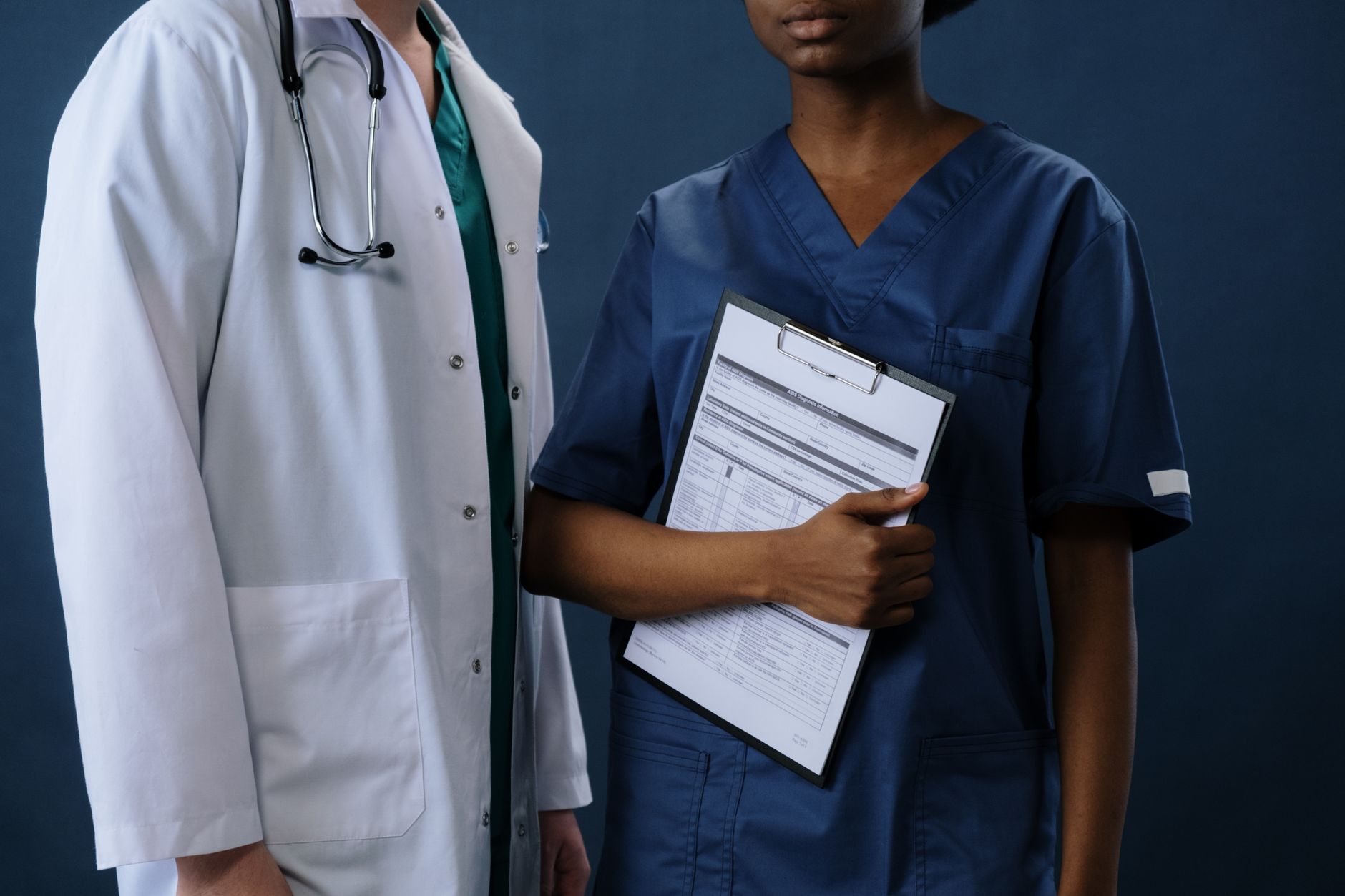
When it comes to outfitting a team, choosing the right workwear is about far more than aesthetics. Whether you’re managing a corporate office in Sydney, running a healthcare facility in Brisbane, or coordinating a government department in Canberra, the uniforms your people wear communicate your brand values, establish professionalism, and in many industries, meet critical safety standards. NNT uniforms have become a recognised name in the Australian workwear space, and for good reason — but understanding where they fit within a broader branded apparel strategy can help organisations make smarter, more cost-effective decisions. This guide breaks down everything you need to know about NNT uniforms, from product ranges and decoration methods to how they stack up alongside custom branded workwear solutions.
What Are NNT Uniforms?
NNT is an Australian workwear brand that produces a broad range of corporate and occupational clothing, including shirts, trousers, skirts, jackets, and hi-vis garments. The brand is particularly well-regarded in sectors that require polished, consistent presentation — think healthcare, hospitality, corporate services, and government organisations.
The “NNT” name stands for “No Nasty Threads,” which reflects the brand’s commitment to comfort and quality construction. Products typically feature good fabric composition for all-day wear, structured cuts suited to professional environments, and a neutral, corporate-friendly colour palette. For organisations looking to maintain a cohesive team presentation without veering into casual territory, NNT’s range offers a reliable baseline.
Key Product Categories in the NNT Range
NNT uniforms span several categories that make them versatile for a wide range of workplaces:
- Corporate shirts and blouses — structured options in classic cuts, suitable for customer-facing roles
- Healthcare and aged care uniforms — practical scrub-style garments and tunics designed for comfort during long shifts
- Hospitality workwear — aprons, waistcoats, and coordinated sets suited to front-of-house and kitchen environments
- Trousers and skirts — coordinating bottoms in classic cuts for full-uniform looks
- Outerwear and jackets — including softshells and structured blazers for cooler climates or professional settings
For organisations in Melbourne or Hobart, where cooler months can last well into spring, the outerwear options are particularly practical for staff who split time between indoor and outdoor environments.
How NNT Uniforms Are Typically Branded
One of the most important considerations for any organisation ordering NNT uniforms isn’t just the garment itself — it’s how your logo and branding will be applied. Blank workwear, even from a reputable manufacturer, won’t fully represent your organisation until it carries your identity.
Decoration Methods for NNT Garments
The most common branding techniques used on NNT-style corporate garments include:
Embroidery is the gold standard for shirts, polos, jackets, and blouses. It offers a premium, durable finish that holds up through repeated commercial laundering — critical for healthcare and hospitality environments where garments are washed frequently and at higher temperatures. Embroidery sits well on structured fabrics and gives a professional, polished result. It’s the preferred method for left-chest logo placement on corporate shirts.
Heat transfer and digital printing are commonly used when more complex or multi-colour designs are required, or when embroidery isn’t suitable for a particular fabric weight. These methods work well for larger back placements or when budget constraints rule out embroidery for large quantities.
Screen printing tends to be better suited to casual workwear, event t-shirts, and staff uniforms for outdoor settings. For corporate NNT-style garments, embroidery is almost always the more appropriate choice. If you’re weighing up which decoration method suits your particular brief, it’s worth reading up on how different printing methods handle outdoor conditions and UV exposure before committing to an approach.
Ordering NNT Uniforms: What to Expect
If you’re planning a uniform order for your team, there are several practical considerations to work through before placing an order.
Minimum Order Quantities and Lead Times
For decorated garments — that is, uniforms with your logo applied — most suppliers require a minimum order quantity (MOQ) of around 6 to 12 pieces per style and colour. Some embroidery suppliers will work with as few as 6 pieces, though setup costs (for digitising your logo) are typically a one-off fee that’s amortised more effectively across larger runs.
Turnaround times for NNT uniforms with embroidery decoration typically range from 10 to 15 business days, depending on stock availability, the complexity of your logo digitisation, and the supplier’s current workload. If you’re working to a tight deadline — say, a new team member starting in two weeks or an upcoming conference — it’s worth discussing express options with your supplier early.
Sizing and Fit Considerations
NNT uniforms are generally sized to Australian standards, with most styles available from XS through to 3XL or beyond. For organisations in sectors like healthcare or hospitality where staff have a wide range of body types, it’s worth ordering a sample set or size kit to circulate before finalising your order. This is especially important for skirts, trousers, and fitted blouses where fit variation between individuals can be significant.
Artwork and Digitisation Requirements
To embroider your logo, your supplier’s production team will need to convert your artwork file into a stitch file — a process called digitisation. You’ll typically need to provide a high-resolution vector file (AI, EPS, or SVG format) of your logo. The digitisation fee is usually a one-off charge and your stitch file is reusable for all future orders.
If your logo has very fine detail, gradients, or extremely small text, your decorator may recommend simplifying the artwork slightly to ensure a clean embroidered result. This is a normal part of the process and your supplier should walk you through any changes before production begins.
NNT Uniforms in Context: Building a Complete Branded Kit
It’s worth thinking about NNT uniforms not in isolation, but as one component of a broader branded kit for your team. Depending on your industry and the nature of your work, a well-rounded uniform program might also include:
- Branded polo shirts for a more casual or outdoors-facing role — explore our guide to promotional polos for a breakdown of fabric weights and decoration options
- Branded caps or bucket hats for staff working outdoors in Queensland or Western Australia
- Hi-vis workwear for construction, utilities, or logistics environments
- Lanyards and name badges to complete the professional look at events or in customer-facing settings
For organisations that also attend trade shows, conferences, or community events, branded merchandise can extend well beyond apparel. Promotional products for government businesses in Sydney and products suited to the Canberra parliamentary precinct offer useful starting points for public sector organisations looking to coordinate uniforms with broader merchandising efforts.
Beyond apparel, consider rounding out your staff or event kit with items like branded water bottles, eco-friendly reusable shopping bags, or recycled pens — all practical items that reinforce your brand values and give staff or stakeholders something useful to take away.
Budgeting for NNT Uniforms
Cost is, understandably, a key factor for most organisations. Here’s a rough framework for how to think about budget allocation:
Garment cost: NNT uniforms sit in the mid-to-upper tier of corporate workwear pricing, reflecting their quality construction and professional finish. Expect to pay more per piece than you would for a basic promotional tee, but less than bespoke tailored garments.
Decoration cost: Embroidery is typically priced per thousand stitches, with a standard left-chest logo falling in the 5,000 to 8,000 stitch range. Larger back placements or full-colour woven patches will increase this cost. Your one-off digitisation fee is usually between $50 and $100 depending on logo complexity.
Setup and samples: If you’re ordering for the first time, factor in a sample garment to check sizing and decoration placement before committing to a full run. Some suppliers offer a refund or credit on the sample cost if you proceed with a bulk order.
Freight: For organisations based in regional areas — say, a healthcare provider in Darwin or a mining services company in regional Western Australia — freight costs can add meaningfully to total spend, particularly for larger or heavier orders.
For organisations working within tight procurement budgets, it’s also worth exploring whether any complementary items — such as tote bags or promotional drinkware — can be bundled with your uniform order to consolidate freight costs and simplify the supplier relationship.
Alternatives and Complementary Options to Consider
While NNT uniforms serve a specific corporate and healthcare niche very well, they won’t be the right fit for every brief. Here are a few scenarios where you might look at alternatives or additions:
- Sports clubs or schools organising team kits or sports day uniforms are often better served by sublimated garments or screen-printed t-shirts, which offer more design flexibility at lower per-unit costs
- Construction or logistics teams requiring AS/NZS 4602-compliant hi-vis garments need workwear specifically rated for that purpose
- Event or conference staff may only need a short-term uniform solution — branded polos or printed t-shirts can be a more practical and economical option for a single-day activation
For tech-focused organisations or events where staff are also equipped with branded merchandise, items like solar-powered tech gadgets and portable phone chargers can complement a polished uniform look and add genuine utility for the recipient.
Conclusion: Key Takeaways on NNT Uniforms for Australian Organisations
NNT uniforms represent a strong, reliable choice for Australian organisations that need professional, durable corporate or occupational workwear — particularly in healthcare, hospitality, and corporate services sectors. But getting the most from your uniform investment requires thinking carefully about decoration methods, artwork preparation, sizing, and how your garments integrate into a broader branded identity.
Here are the key points to take away:
- NNT uniforms are best suited to corporate, healthcare, and hospitality environments where professional presentation and garment durability are priorities
- Embroidery is typically the preferred decoration method for corporate shirts and blouses, offering a polished result that withstands regular laundering
- Plan for lead times of 10 to 15 business days for decorated garments, and allow extra time if you’re ordering samples or finalising artwork
- Think beyond the garment — a coordinated uniform kit that includes branded accessories, bags, and drinkware creates a more cohesive and impactful brand presence
- Budget holistically by factoring in garment cost, decoration, digitisation, sampling, and freight to avoid surprises at the checkout
Whether you’re outfitting a five-person team in Adelaide or rolling out uniforms across a 200-person healthcare organisation in Melbourne, a well-planned approach to NNT uniforms — and the branded merchandise that supports them — will set your organisation up for a consistent, professional impression across every touchpoint.