
Personalized Shopping Bags: The Complete Guide for Australian Businesses and Events
Discover how personalized shopping bags can boost your brand visibility, delight customers, and suit any budget. A practical Australian guide.

Written by
Fraser Holt
Bags & Totes
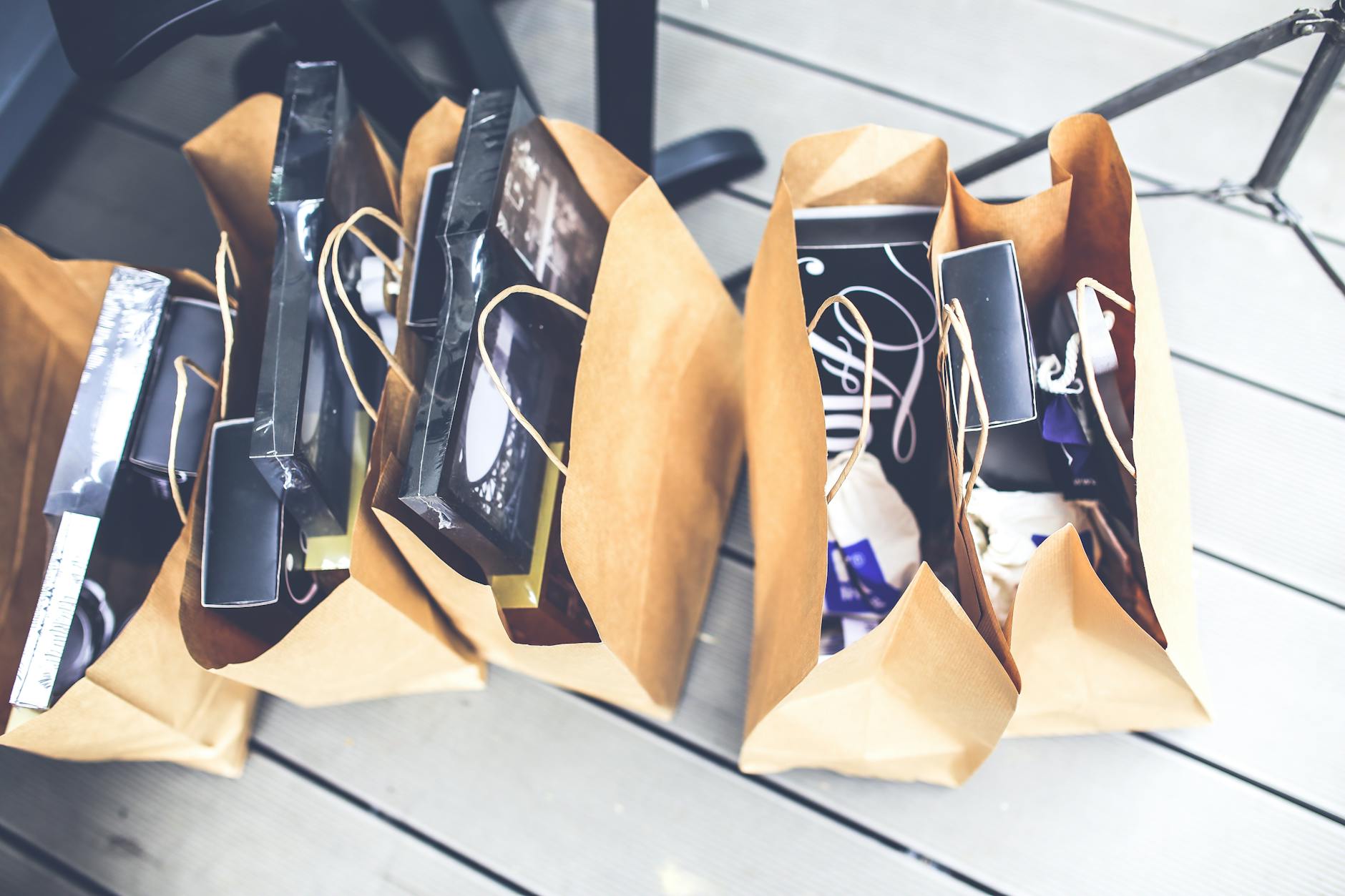
Every time a customer carries your branded bag down the main street of Melbourne or through a busy Sydney market, your logo is doing the hard work for you. Personalized shopping bags are one of the most practical and enduring promotional products available to Australian businesses, organisations, and event planners — and in 2026, their appeal is stronger than ever. Whether you’re a retail boutique in Brisbane wanting to elevate your unboxing experience, a charity in Perth running a community fundraiser, or a corporate team in Adelaide preparing for a trade show, a well-designed custom shopping bag puts your brand in the hands of the people who matter most. This guide covers everything you need to know: product types, decoration methods, ordering tips, and how to make sure your investment goes the distance.
Why Personalized Shopping Bags Are Worth the Investment
It’s easy to dismiss a shopping bag as a throwaway item, but the data tells a different story. Branded bags are among the most cost-effective promotional products available because they generate repeated impressions over a long lifespan. Unlike a flyer that lands in the bin or a digital ad that gets scrolled past, a reusable personalized bag gets carried to the supermarket, the gym, the farmers market, and the school run — often for years.
For businesses, the return on investment is compelling. Consider a Gold Coast retail shop that adds a custom printed bag to every purchase over $50. That bag becomes a walking advertisement throughout the suburbs, beachside strips, and shopping precincts where their customers live and move. For events and conferences, personalized shopping bags serve as convenient carry-alls during the event and are then taken home, continuing to remind attendees of their experience long after the day is done.
There’s also a growing expectation around sustainability. Single-use plastic bags are either banned or heavily restricted across all Australian states and territories, which means reusable bags are no longer just a nice-to-have — they’re a genuine need. Offering a branded reusable alternative positions your organisation as environmentally responsible. This aligns especially well with the broader shift toward eco-friendly promotional products across Australia, where buyers are increasingly asking for greener options.
Types of Personalized Shopping Bags to Consider
Not all shopping bags are created equal. The right style depends on your audience, your budget, and how you intend to distribute or sell them. Here’s a breakdown of the most popular options for Australian organisations.
Non-Woven Polypropylene Bags
These are the workhorses of the promotional bag world. Lightweight, affordable, and available in a huge range of colours, non-woven PP bags are ideal for high-volume campaigns where budget is a primary concern. Minimum order quantities typically start at 100 units, and they can be decorated via screen printing or heat transfer. They’re a popular choice for supermarkets, pharmacies, and community events.
Cotton and Canvas Tote Bags
Cotton tote bags have become fashion staples as much as functional carry-alls. They’re a favourite among boutiques, wellness brands, universities, and arts organisations. A sturdy canvas tote with a well-designed print looks premium, feels substantial in the hand, and aligns perfectly with a sustainability message. Screen printing works beautifully on cotton, allowing for vibrant, full-colour designs. For a deep-dive into how promotional shopping bags can be tailored for different sectors, it’s worth exploring your options carefully before committing to a style.
Jute and Hessian Bags
Jute bags have a natural, earthy aesthetic that appeals to farmers markets, organic food brands, health and wellness businesses, and eco-conscious events. They’re durable, biodegradable, and carry a rustic charm that synthetic materials simply can’t replicate. Decoration is typically via screen printing or heat transfer, and the natural texture of jute gives printed designs a distinct, artisan feel.
Laminated and Coated Bags
Laminated bags offer a glossy or matte finish over a non-woven or paper base, resulting in a more polished, retail-quality look. These are popular for gift bags, product launches, boutique retail, and corporate events where presentation matters. Full-colour digital printing on laminated bags can produce stunning, photographic-quality results.
Insulated Cooler Bags
Insulated bags serve a dual purpose: they keep contents cool and they carry your branding. Particularly popular in Queensland and Western Australia where warm climates make them a genuinely useful gift, cooler bags are ideal for food and beverage brands, real estate agencies doing suburb drops, or sporting clubs running end-of-season fundraisers.
Paper and Kraft Bags
Custom printed paper bags remain a staple for retail environments. A beautifully designed kraft paper bag with ribbon handles elevates even a modest product into something that feels considered and premium. For boutique retailers, florists, and gift shops across Hobart, Canberra, and Darwin, a well-branded paper bag is often the first impression a customer takes home.
Decoration Methods: Making Your Logo Look Its Best
The decoration method you choose significantly affects the final look, feel, and durability of your personalized shopping bags. Each technique has its strengths.
Screen printing is the most common method for high-volume bag runs. It produces crisp, bold results on cotton, canvas, and non-woven materials. It’s cost-effective at scale and works especially well for logos with one to four colours.
Digital printing allows for full-colour, complex artwork — gradients, photographic images, detailed illustrations — without the limitations of spot colour matching. It’s ideal for smaller runs and for designs with multiple colours or fine detail.
Heat transfer is used where direct printing isn’t practical, applying a pre-printed film to the bag surface. It can achieve vibrant colour results and is often used on non-woven polypropylene bags.
Embroidery is occasionally used on premium cotton or canvas bags for a tactile, high-end finish. It’s best suited to simple logos with clean lines rather than complex, multi-colour artwork. For guidance on when embroidery outperforms printing — and vice versa — it’s worth reviewing how different UV resistance levels affect outdoor printing methods, especially for bags that will be used heavily outdoors.
Planning Your Order: MOQs, Timelines, and Budgets
Getting the logistics right is just as important as the design itself. Here are the key considerations for any Australian business or organisation ordering personalized shopping bags.
Minimum Order Quantities
MOQs vary by bag type and decoration method. Non-woven bags typically start at 100–250 units. Cotton totes often begin at 50–100 units for screen printing. Fully custom or laminated bags with detailed printing may require 200+ units. If you need smaller quantities, digital printing is your best option, as it doesn’t require the same setup commitments as screen printing.
Turnaround Times
Standard production and delivery across Australia typically takes 10–15 business days after artwork approval. For major events or retail seasons — think Christmas, EOFY, or the back-to-school rush — allow at least four to six weeks to be safe. Rush production is available from many suppliers, but it generally attracts a premium. If you’re planning seasonal gifting alongside bags, consider pairing them with office gift ideas for Christmas to create cohesive gift sets.
Budgeting
Personalized shopping bags range enormously in price depending on the material, size, decoration complexity, and quantity. As a rough guide:
- Non-woven bags: $1.50–$4.00 per unit at 250+ units
- Cotton tote bags: $4.00–$10.00 per unit at 100+ units
- Insulated cooler bags: $8.00–$20.00 per unit at 100+ units
- Laminated boutique bags: $2.50–$7.00 per unit at 200+ units
Setup fees for screen printing typically range from $50–$150 per colour, per position. Digital printing often has no setup fees, making it more accessible for small-batch orders.
Practical Applications Across Australian Sectors
Personalized shopping bags find a home across virtually every sector.
Retail and hospitality businesses use them to enhance the customer experience. A Melbourne café might offer branded tote bags as merchandise, doubling as a reusable carry-all and a walking advertisement. Pair these with personalised drink bottles and promotional drinkware for a compelling retail bundle.
Government and councils in cities like Sydney distribute branded reusable bags at community events, sustainability drives, and public consultations. For more on how government bodies use promotional products strategically, see our guide to promotional products for government businesses in Sydney.
Events and conferences rely heavily on delegate bags. A well-stocked conference bag filled with a notebook, pen, branded water bottle, and a portable phone charger creates a premium delegate experience. The bag itself becomes the vehicle for all these branded touchpoints.
Schools and sporting clubs use personalized bags for fundraising, merchandise sales, and sports carnivals. A Brisbane primary school might sell branded tote bags as part of a community fundraiser, while a football club in Adelaide might include them in player welcome packs alongside personalised hoodies and polo shirts.
Charities and not-for-profits can use branded bags for awareness campaigns and donation drives. Consider bundling them with items like recycled pens or personalized drink coasters to reinforce an eco-conscious message.
For family fun days and community events, bags can be part of a larger promotional ensemble that might include promotional temporary tattoos and novelty items that engage attendees of all ages.
Tips for Getting the Most Out of Your Personalized Shopping Bags
Before placing your order, keep these practical tips in mind:
- Order a sample first. Always request a pre-production sample or physical sample bag before committing to a large run. Colours, handles, and material weights can vary between what you see on screen and what arrives at your door.
- Keep artwork simple and bold. Bags are viewed from a distance, often in motion. A clean logo with strong contrast performs better than intricate, detailed artwork.
- Consider the colour of the bag carefully. Printing on coloured bags affects how your artwork appears. Light ink on dark fabric can lose vibrancy, so discuss your colour expectations with your decorator.
- Think about the handles. Short handles for hand-carry bags differ from long shoulder strap options. Consider how your customers will actually use the bag before choosing a style.
- Factor in packaging and storage. For large orders, think about how and where you’ll store bags prior to distribution. Non-woven bags compress well; paper bags less so.
For organisations also exploring complementary branded items, it’s worth looking at solar-powered tech gadgets or novelty USB drives to round out a sustainable gifting or event merchandise strategy.
Conclusion: Key Takeaways
Personalized shopping bags remain one of the smartest, most versatile branded merchandise investments available to Australian businesses, organisations, and event planners. Here’s what to remember before you place your next order:
- Choose the right bag style for your audience and use case — cotton totes for boutique and sustainability-focused brands, non-woven for high-volume campaigns, insulated cooler bags for warm-climate markets.
- Match your decoration method to your design complexity, quantity, and budget — screen printing for bold logos at volume, digital printing for detailed full-colour artwork or small runs.
- Plan well ahead of peak seasons, allowing at least four to six weeks for production and delivery across Australia.
- Use bags as part of a broader merchandise strategy — they carry other branded products literally and figuratively, making them perfect centrepieces for delegate packs, gift sets, and retail bundles.
- Prioritise sustainability where possible — reusable, eco-friendly bags align with consumer expectations and position your brand positively in 2026’s environmentally conscious marketplace.