
Polo Shirts and T-Shirts for Custom Branding: The Complete Australian Guide
Discover how to choose between custom polo shirts and t-shirts for your organisation. Tips on decoration, MOQs, budgets, and ordering in Australia.

Written by
Darcy Flynn
Custom Apparel
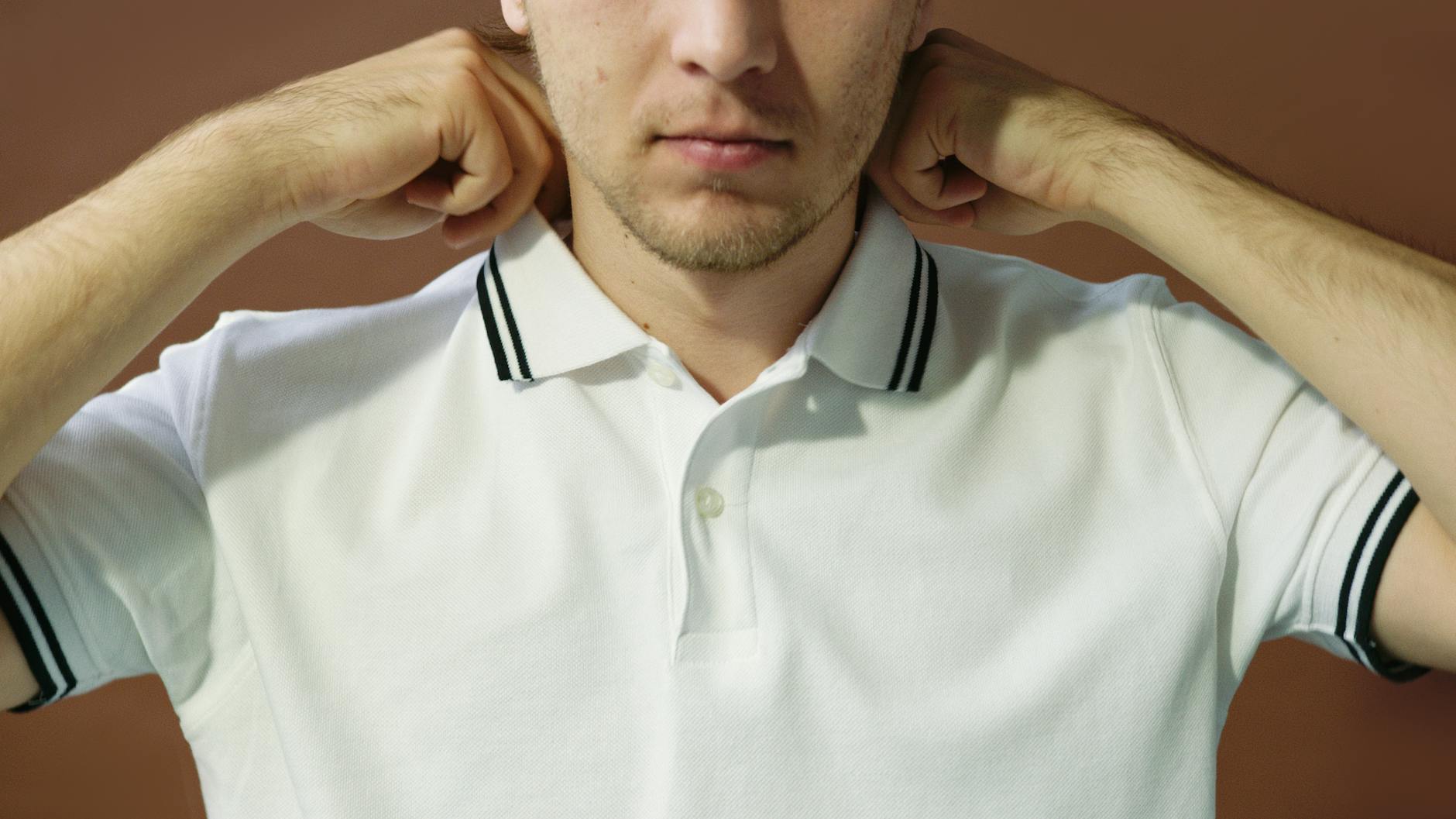
When it comes to branded apparel, no two garments are more universally useful — or more frequently debated — than polo and t shirts. Whether you’re outfitting a construction crew in Perth, dressing event volunteers at a Melbourne conference, or ordering team uniforms for a Brisbane primary school’s sports carnival, the choice between these two staples will shape how your organisation looks, feels, and presents itself to the world. Getting it right matters more than most people realise. This guide breaks down everything you need to know about custom polo shirts and t-shirts in Australia, from decoration methods and fabric choices through to ordering quantities, budgets, and turnaround expectations.
Why Polo and T Shirts Are the Backbone of Branded Apparel
There’s a reason these two garment types dominate the promotional and corporate apparel market. They’re versatile, cost-effective, and immediately recognisable as branded items when decorated with a logo or design. From casual community events to polished corporate settings, polo shirts and t-shirts cover an enormous spectrum of use cases — and Australian organisations across every sector rely on them heavily.
Consider the sheer variety of situations where these garments show up. A Gold Coast real estate agency might issue embroidered polo shirts to their sales team for open inspections. A Sydney-based charity uses printed t-shirts for their annual fun run. A Canberra government department needs branded polos for staff attending a public consultation event. A Darwin construction company requires hi-vis polo shirts with their logo for on-site compliance. The list goes on.
Understanding the differences between these garment types — and the decoration methods best suited to each — helps organisations make smarter purchasing decisions and avoid costly mistakes.
Understanding the Key Differences Between Polo Shirts and T-Shirts
Before placing an order, it’s worth understanding what sets these two garment types apart, beyond the obvious collar distinction.
Polo Shirts: Professionalism with Practicality
Polo shirts typically feature a collar, two or three-button placket, and short sleeves. They’re usually constructed from piqué cotton, polyester, or a cotton-polyester blend. This structure gives them a semi-formal appearance that sits comfortably between a casual t-shirt and a dress shirt.
For businesses and organisations where presentation matters — think retail staff, tradespeople meeting clients, hospitality teams, or real estate agents — a polo shirt communicates professionalism without sacrificing comfort. The collar also provides a natural frame for embroidered logos on the chest, making them a go-to choice for corporate branding projects.
Common MOQs for custom polo shirts in Australia typically start from around 12 to 24 units for embroidered options, though screen-printed runs often require a minimum of 25 to 50 pieces depending on the supplier.
T-Shirts: Maximum Versatility and Design Impact
T-shirts offer a larger printable surface area and far more flexibility when it comes to decoration. The broad chest, back, and sleeve areas make them ideal for bold, full-colour artwork — a major reason they’re the preferred choice for events, school groups, community organisations, festivals, and campaigns.
Custom t-shirts are also generally more affordable than polos, making them attractive for large volume orders. A Perth sporting club ordering 150 team shirts for a weekend tournament, or an Adelaide university society printing shirts for O-Week, will usually find t-shirts offer the best cost-per-unit outcome.
MOQs for screen-printed t-shirts commonly start at 25 to 50 pieces, though some suppliers offer smaller runs via digital printing for as few as 5 to 10 units — albeit at a higher per-unit cost.
Choosing the Right Decoration Method
The decoration method you choose will significantly affect the final look, durability, and cost of your polo and t shirts. Each method has strengths suited to different garment types and use cases.
Embroidery
Embroidery is widely considered the premium decoration method for polo shirts. It creates a textured, three-dimensional logo that communicates quality and professionalism. It’s highly durable — surviving hundreds of wash cycles without fading — and is particularly well-suited to chest left-breast logo placements.
However, embroidery has limitations. It doesn’t handle fine detail or photographic imagery well, and it adds weight to thinner fabrics. For t-shirts, embroidery can look out of place unless the garment is a premium weight, structured piece.
Setup costs (called “digitising fees”) are a one-off charge that typically ranges from $50 to $150 depending on complexity. Once created, this file is reused for future orders.
Screen Printing
Screen printing remains the most popular decoration method for custom t-shirts in Australia, and for good reason. It delivers vibrant, long-lasting results across large areas, handles multiple colours well, and becomes increasingly cost-effective at higher volumes.
It’s worth noting that screen printing involves a separate screen setup for each colour, so designs with many colours incur higher setup costs. For most organisations, keeping designs to two or three colours will offer the best value. If you’re printing outdoors signage or products exposed to sun, it’s worth reading about the UV resistance of different printing methods for outdoor products — the same principles apply to garments used outdoors.
Heat Transfer and Sublimation
Heat transfer is a good option for smaller runs or when full-colour photographic designs are needed. Sublimation printing — which bonds dye directly into the fabric — is ideal for polyester garments and produces stunning all-over prints. It’s popular for sports uniforms and event merchandise.
For organisations interested in wraparound printing options on other merchandise, the logic is similar — sublimation’s ability to cover the entire surface without seams makes it a powerful tool in the right context.
Digital (DTG) Printing
Direct-to-garment (DTG) printing allows for full-colour, photo-realistic designs on t-shirts with no setup fees and no minimum quantities. It’s best suited for 100% cotton garments and is particularly useful for sample orders, small runs, or designs with complex artwork. The trade-off is a slightly higher per-unit cost compared to screen printing at volume.
Fabric and Fit Considerations for Australian Conditions
Australia’s climate varies enormously from the tropical humidity of Darwin and Cairns to the cooler winters of Hobart and Melbourne. Choosing the right fabric for your polo and t shirts can make a real difference to wearer comfort and garment longevity.
Cotton: Breathable, soft, and comfortable in warm conditions. Ideal for events, schools, and community organisations. Standard weight is 180gsm for t-shirts; heavier weights (200gsm+) offer more durability for corporate use.
Polyester and Performance Fabrics: Moisture-wicking polyester blends are excellent for sporting clubs, outdoor events, and active workwear. They dry quickly and retain print quality well.
Cotton-Polyester Blends: Offer the comfort of cotton with added durability and shape retention. A popular choice for polo shirts used in workplace settings.
Bamboo and Recycled Fabrics: Increasingly popular for eco-conscious organisations. These sustainable options pair well with an organisation’s broader green commitments — something worth considering alongside other eco-friendly promotional items like recycled pens and promotional shopping bags.
Budgeting for Polo and T Shirt Orders
Budgeting accurately avoids surprises. Here’s a practical breakdown of what to expect:
- T-shirts (screen printed, 50 units, two colours): Roughly $15–$25 per unit including setup
- Polo shirts (embroidered, 50 units, left chest logo): Roughly $30–$55 per unit depending on garment quality
- Setup/digitising fees: $50–$150 one-off (embroidery); $30–$60 per colour (screen printing)
- Rush production: Typically adds 20–40% to standard costs
Ordering larger quantities almost always reduces the per-unit cost significantly. If your organisation expects to reorder regularly — say, a Hobart café ordering staff polos each quarter as the team grows — keeping artwork files and screens on record with your supplier can reduce setup costs on repeat orders.
If you’re managing a broader branded merchandise budget across multiple product types, it’s worth checking out resources on promotional products in Australia to understand how apparel fits within a wider strategy. Government and council buyers in particular may also find guidance on promotional products for government businesses in Sydney helpful when navigating procurement considerations.
Complementing Your Apparel Order with Other Branded Merchandise
Smart organisations don’t stop at garments. Combining polo and t shirts with complementary branded products creates cohesive, professional merchandise packages for staff, events, or clients.
For corporate events and staff packs, consider pairing branded apparel with:
- Personalised drink bottles for adults or other promotional drinkware
- Branded notebooks and recycled pens for meeting or conference kits
- Portable phone chargers or novelty USB drives for tech-focused audiences
- Solar-powered branded tech gadgets for sustainability-focused organisations
For community events and fun days, branded t-shirts work brilliantly alongside promotional temporary tattoos, giving participants an engaging and memorable brand experience beyond just wearing a shirt.
For tradespeople and outdoor crews, polo shirts pair well with practical branded gear like promotional tool bags — a particularly relevant combination for Melbourne-based trades businesses.
Ordering Timeline: What to Expect
Turnaround times for custom polo and t shirts in Australia vary by decoration method and supplier:
- Standard orders (screen printing or embroidery): 10–15 business days from artwork approval
- Rush orders: 5–7 business days, often with an express fee
- Large volume orders (500+ units): Allow 3–4 weeks to be safe
- Offshore manufacturing: 6–10 weeks lead time for cost-optimised bulk orders
Always factor in time for the proof approval process. Most reputable Australian suppliers will provide a digital mock-up for sign-off before production begins. Never skip this step — catching a colour or placement error before printing saves significant time and money.
Conclusion: Key Takeaways for Ordering Custom Polo and T Shirts
Choosing between polo and t shirts — or deciding to order both — comes down to your audience, your environment, your budget, and the impression you want to make. Armed with the right information, the ordering process becomes straightforward and the results speak for themselves.
Here are the key points to carry forward:
- Match the garment to the context: Polo shirts suit professional and client-facing settings; t-shirts are ideal for events, schools, and high-volume casual applications
- Choose your decoration method wisely: Embroidery for polo shirts adds longevity and professionalism; screen printing for t-shirts delivers impact at volume
- Factor in all costs: Include setup fees, freight, and turnaround time — not just the per-unit price
- Consider fabric suitability: Australian climates vary; choose breathable, appropriate fabrics for the wear environment
- Bundle with complementary products: Branded apparel delivers more impact as part of a broader merchandise strategy, whether that includes water bottles, personalised hoodies, or office gifts
Whether you’re ordering 20 units or 2,000, getting your polo and t shirts right is one of the most visible branding investments your organisation can make.