
Wrist Bands for Events: The Complete Australian Ordering Guide for 2026
Planning an event in Australia? Discover how to choose, customise, and order wrist bands for events — with tips on types, MOQs, and decoration.

Written by
Yuki Taniguchi
Event Merchandise
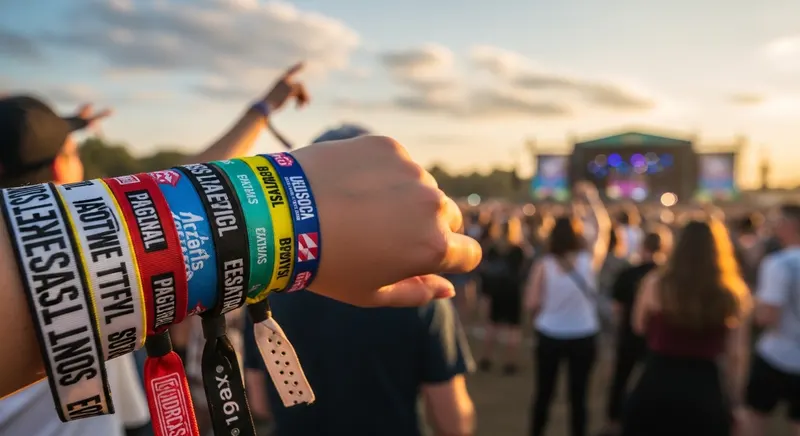
Whether you’re running a music festival on the Gold Coast, a corporate gala in Melbourne, or a school sports carnival in suburban Brisbane, one small item can make a surprisingly big difference to your event’s organisation and atmosphere: the humble wrist band. Event wrist bands serve a dual purpose — they’re a practical access control and identification tool, and they’re also a tangible piece of branded merchandise that attendees take home long after the last song has played or the closing speech has wrapped up. Getting your wrist bands right, however, requires more than just picking a colour and placing an order. This guide covers everything Australian event planners need to know to make smart, cost-effective decisions when ordering wrist bands for events in 2026.
Why Wrist Bands Matter More Than You Think
It’s easy to underestimate wrist bands. They’re often the last item on an event planning checklist, squeezed in between lanyard orders and finalising signage. But experienced event organisers know that wrist bands carry a lot of weight for their size.
From a logistics perspective, wrist bands simplify entry management dramatically. Colour-coded bands let your security and front-of-house staff identify VIP guests, under-18 attendees, different ticket tiers, or volunteers at a single glance — no fumbling with tickets or IDs at the gate. This speeds up entry queues and reduces the chance of human error.
From a branding perspective, wrist bands are prime real estate. A well-designed custom wrist band featuring your event logo, website, or sponsor branding travels well beyond the event itself. Attendees wear them for days or even weeks after the fact, particularly after music events, charity walks, or festivals. That’s ongoing brand impressions for minimal extra cost.
And for events that sell merchandise or run branded promotional products tables, custom wrist bands can be bundled into merchandise packs alongside items like custom tote bags or branded water bottles for added perceived value.
Types of Wrist Bands Used at Events
Not all wrist bands are created equal. The right type for your event depends on its duration, security requirements, and budget. Here’s a breakdown of the most common options used across Australian events.
Tyvek Wrist Bands
Tyvek wrist bands are the go-to choice for single-day events. Made from a durable, tear-resistant paper-like material, they’re lightweight, tamper-evident, and extremely affordable in bulk. They typically come in a huge range of stock colours and can be printed with custom text, logos, barcodes, or sequential numbering.
These are ideal for markets, day festivals, school events, community open days, and charity fundraisers. Minimum order quantities are generally low — often starting from as few as 100 units — and turnaround can be very fast when stock colours are used.
Fabric Wrist Bands
Woven or fabric wrist bands are the premium option favoured by multi-day music festivals, sporting events, and upscale corporate experiences. They feature a locking closure mechanism that prevents removal and re-entry fraud, making them the security standard for events where access control is critical.
Fabric bands can be produced with intricate woven designs, full-colour printing, or even RFID technology for cashless payment systems. They’re also collectible — many festival-goers keep their wristbands as souvenirs, which significantly extends the life of your event branding.
Lead times for custom fabric wrist bands are longer than Tyvek — typically three to six weeks for fully custom production — so plan your ordering timeline accordingly.
Silicone Wrist Bands
Silicone wrist bands have been a staple of cause-related campaigns, charity events, and school fundraisers for years. They’re reusable, comfortable to wear for extended periods, and can be produced in debossed, embossed, or printed styles. Colour customisation is extensive, and they can include custom messaging, event names, website URLs, or sponsor logos.
For a Perth charity fun run or an Adelaide school awareness day, silicone bands make excellent keepsakes that continue to carry your message well past the event date. They also pair well with other event merchandise — see our guide to customised tote bags for bundling ideas.
Vinyl and Plastic Snap Wrist Bands
Vinyl and plastic snap bands are a mid-range option suited to multi-day events where Tyvek isn’t secure enough but fabric bands exceed the budget. They offer tamper-evident features similar to fabric wrist bands and can be printed with full-colour branding, logos, and barcodes.
Key Considerations When Ordering Wrist Bands for Events
Once you’ve determined which type of wrist band suits your event, there are several practical decisions to work through before placing your order.
Decoration Method and Print Quality
The decoration method used on your wrist bands will affect both the visual result and the durability of your branding. For Tyvek bands, flexographic printing is the standard process and delivers sharp, consistent results. Silicone bands are typically debossed (ink pressed into the material) or screen printed, with debossing generally considered more durable for long-wear scenarios.
If your wrist bands will be exposed to water, sweat, or sunlight — as they often are at outdoor events — it’s worth understanding how print durability holds up. Our resource on UV resistance of different printing methods for outdoor products is worth reading if your event runs across multiple days in the Australian summer sun.
Minimum Order Quantities and Bulk Pricing
MOQs vary by wrist band type. Tyvek bands often start at 100 units, while silicone bands typically have MOQs of 100–250 units. Custom fabric wrist bands usually require minimum orders of 500 or more due to the production complexity involved.
Bulk pricing tiers apply across the board. Ordering 1,000 bands will cost significantly less per unit than ordering 200, so if your event is on the larger side, consolidating your order makes clear financial sense. For a Sydney conference expecting 800 delegates, for example, ordering 1,000 units and using the surplus for staff or future events is often smarter than ordering to the exact count.
Turnaround Times and Event Deadlines
Tyvek and stock silicone wrist bands can often be produced and delivered within five to ten business days for straightforward print jobs. Custom fabric bands require longer lead times — allow a minimum of three to four weeks, and ideally six to eight weeks if your artwork needs revisions or approvals.
Australian event planners should also factor in interstate freight times, especially if your event is in Darwin, Hobart, or regional areas where delivery can add a day or two compared to major metro centres.
Artwork and Colour Requirements
For professional results, submit your artwork as a vector file (AI or EPS format) with fonts outlined. If your event has specific brand colours, provide PMS (Pantone Matching System) references to ensure consistency — particularly important if your wrist bands will sit alongside other branded items at your event, such as custom text shirts for your crew or work polo shirts for volunteers.
Incorporating Wrist Bands Into a Broader Event Merchandise Strategy
Wrist bands rarely exist in isolation. The most successful events think about them as one component within a broader branded merchandise ecosystem. Depending on your event type and audience, wrist bands can complement a range of other products.
For outdoor summer events, pairing wrist bands with branded sunscreen bottles or promotional umbrellas adds real practical value for attendees. A festival or community event merchandise pack might include a customised tote bag, a wrist band, a branded water bottle, and a cap — everything an attendee needs from arrival through to pack-up.
Corporate events in Sydney or Melbourne might opt for a more premium approach: fabric wrist bands for access control, paired with branded zip-up hoodies for VIP guests or staff, and custom trucker hats for a casual, on-brand finishing touch.
For charity events and community fundraisers, the merchandise table might feature branded tote bags, silicone wrist bands, and promotional gym towels — all carrying consistent event branding that participants are proud to use long after the day is done.
It’s also worth thinking about the full product lifecycle. Events that run annual fundraising campaigns — like charity walks or corporate sporting challenges — can reuse branded assets and carry consistent visual themes across wrist bands, apparel, and accessories year after year.
Common Mistakes to Avoid When Ordering Event Wrist Bands
Even experienced event planners can fall into a few avoidable traps with wrist band orders. Here are the most common ones to watch for:
Leaving it too late. Custom wrist bands, especially fabric ones, have lead times that sneak up on busy event coordinators. Build your order into your event planning timeline at least six to eight weeks out.
Forgetting size variations. Most wrist bands come in adult and child sizes. If your event includes family audiences — like a school fundraiser or community fair — order the appropriate mix of sizes.
Underordering. It’s tempting to order just enough, but running out of wrist bands mid-event is a logistical nightmare. Always order a buffer of 10–15% above your expected attendance.
Ignoring the closure type. Different closure mechanisms suit different security needs. A single-day market needs a tear-resistant but simple closure; a multi-day festival requires a tamper-evident, non-removable option.
Not checking for scanning compatibility. If your event uses a scanning system for entry, ensure your wrist bands are compatible with the barcode or QR format used by your ticketing platform.
For more on planning a complete event merchandise strategy, our detailed guide to wristbands for events offers additional context on product selection and supplier considerations.
Conclusion: Key Takeaways for Ordering Wrist Bands for Events in Australia
Wrist bands are a small investment that delivers outsized returns — in security, organisation, and brand visibility. Whether you’re planning an intimate corporate function or a large-scale festival, choosing the right wrist band type and ordering it strategically will make your event run more smoothly and leave a lasting impression.
Here are the key points to remember:
- Choose your band type based on event duration and security needs — Tyvek for single-day events, fabric for multi-day, silicone for keepsakes and cause campaigns.
- Plan your order timeline carefully — allow five to ten business days for Tyvek, and up to six to eight weeks for custom fabric wrist bands.
- Order a buffer — always order 10–15% more than your expected attendance to avoid running short on the day.
- Think about branding durability — particularly for outdoor Australian events, choose a decoration method that holds up to sun, sweat, and wear.
- Integrate wrist bands into a broader merchandise plan — when paired with complementary products, wrist bands become part of a cohesive event experience that attendees remember.
With these considerations in mind, your next event will be well-equipped from wrist to welcome.